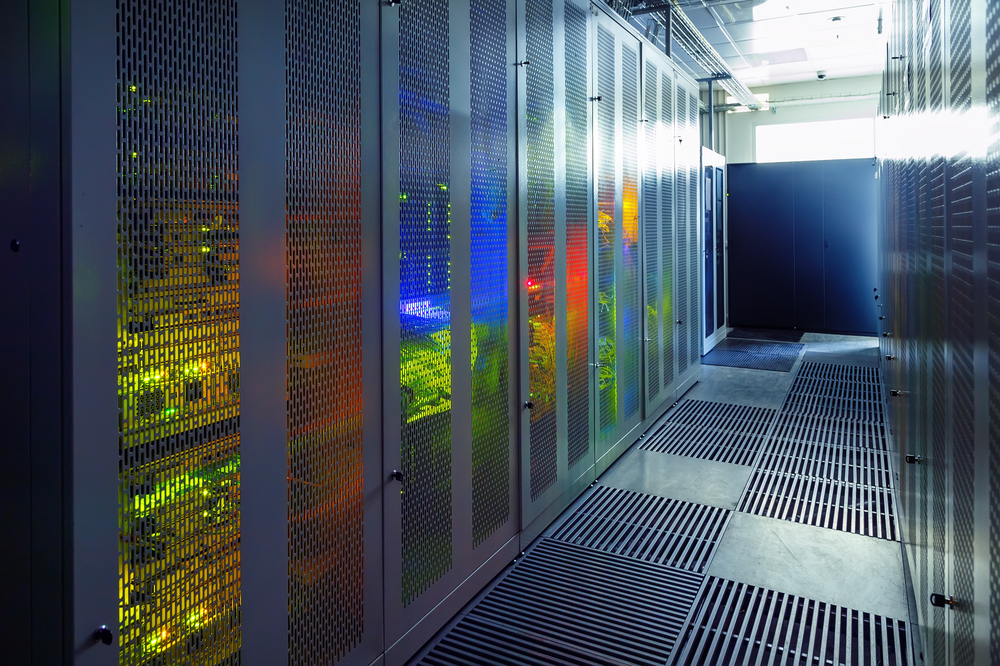
Lately, it’s hard to hear anything over the roar of concern about data center energy use. With their gargantuan appetite for power, data centers are overwhelming the conversation around energy. But that doesn’t mean innovation and growth aren’t driving energy demand in other sectors.
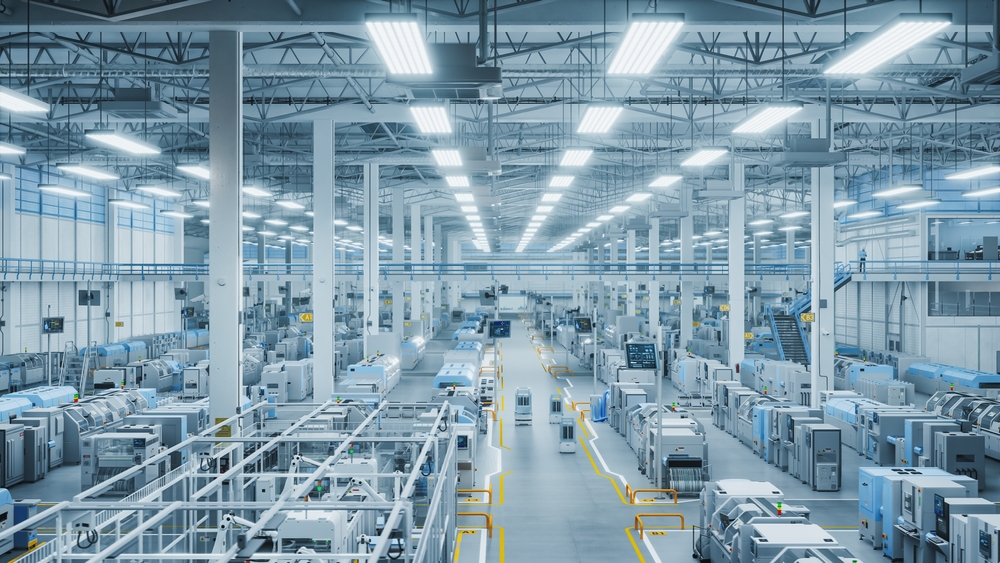
Take, for example, commercial and industrial (C&I) microgrids — not data centers, but everything else that makes up this customer class: stores, factories, hospitals, schools, etc. Maybe they are not in the news as much, but this space is quietly transforming — and not necessarily despite data centers, but in some cases because of them.
In fact, says Steve Ruse, CEO of Summit Consultants, many of the same forces driving data center growth are renewing interest in microgrids and onsite generation for manufacturers, logistics hubs and other power-intensive businesses.
Data centers are making it harder to secure grid power — for everybody
As data centers scale to unprecedented sizes, some will require more power than entire cities. Together with electrification and other trends, they are driving electric demand to levels not seen in decades. ICF International forecasts that US power needs will grow 25% by 2030 and 78% by 2050 compared to 2023. Most telling, utilities have already committed to supply 64 GW of new data center capacity. That alone pushes up electric demand 12%, according to Wood Mackenzie.
Will the US be able to meet this demand? It may not be easy.
Building large-scale energy infrastructure is a slow process, delayed by lengthy permit and interconnection approvals and, more recently, by supply chain disruptions.
This is already creating electricity scarcity for businesses and manufacturers in some markets. When a single data center equals a city’s worth of demand, smaller industrial customers can struggle to get attention — or grid capacity.
Some industrials are waiting years for power because the utility is prioritizing data center mega-loads. “There’s much more competition for power now, and so the time it takes for a utility to get you power has extended,” said Ruse, whose Texas-based company provides engineering services.
PJM, the largest grid operator in the US, offers a good example of what happens when power becomes scarcer. For the last two years, PJM’s capacity auctions — designed to ensure the 13-state organization has enough power going forward — produced record-high prices. Consumers and businesses end up covering these costs.
Consequently, new commercial and industrial customers are being hit on two levels — they are finding it more difficult to secure grid power, and what’s available may be more expensive.
A new need: bridge power systems
Bridge power offers one solution for new C&I customers, according to Ruse. It is onsite power, possibly a microgrid, built as a temporary solution to keep facilities running while they await utility interconnection.
“I would say it is common for a utility to take two to five years if you need 20 MW,” Ruse said. “Bridge power gets you power during that interim period when you’re waiting.”
When the company finally connects to the electric grid, its onsite generation offers a new value proposition as backup generation and grid support — and it can help onsite power achieve an appealing six to eight-year return on investment.
Electricity costs are rising: Here’s where onsite generation can help
Once grid-connected, these systems can generate revenue by selling services to the grid or reduce costs by hedging against grid prices. When compared to diesel — another common fuel for back-up power — grid-connected natural gas generation offers the greatest economic and reliability benefits, according to a study by the National Laboratory of the Rockies (previously the National Renewable Energy Laboratory).
Microgrids and onsite generation are especially attractive in areas where unmanaged demand charges can significantly increase a facility’s power costs.
This is true in Texas, for example, where annual charges are set based on a large energy user’s consumption during peak grid demand each season. If a company can reduce its usage during those short intervals, its annual rates are set lower.
Businesses can use microgrids and onsite generation to accomplish this. They estimate when the peak will occur and then switch to onsite during that time. This reduces the grid power they use, lowering their annual demand charge and yielding hundreds of thousands of dollars in savings for some large energy users.
Cost considerations are becoming increasingly important to commercial and industrial enterprises as power prices rise. In all but four states, electricity costs rose from August 2024 to August 2025, according to the U.S. Energy Information Administration. While rates rose an average 5.8%, some jurisdictions saw double-digit increases, the highest being the District of Columbia, up 26.5%.
Rethinking assumptions about energy reliability
Making bridge power a permanent asset also gives the business reliable backup power in an increasingly unstable time for the grid, as its aging infrastructure struggles to integrate intermittent renewables and new prosumer technologies it wasn’t designed to handle.
On top of that, one of the grid’s fiercest enemies — extreme weather — appears to be getting worse. Texas’ 2021 Winter Storm Uri left an enduring mark not only on the state’s psyche but also on the nation’s. The unusual winter freeze caused widespread power outages and resulted in fatalities.
Ruse said the event forced businesses to rethink assumptions about reliability. The big question now is whether the next twenty years of energy reliability will look like the last twenty. Natural disasters, rising demand, and the integration of new energy sources could destabilize the grid if not managed properly.
It’s not only electric utilities proceeding with caution; natural gas providers are also wary, particularly in Texas. Since Uri, some gas utilities have said they will no longer serve large industrial customers because they must give residential customers priority. That’s created another bottleneck to new C&I development.
Automation raises the need for microgrid resilience
The nation’s shift toward more automated commercial and industrial facilities is also amplifying the need for resilient onsite power. Even a brief outage can cause a ripple effect across automated systems, further magnifying the cost of downtime.
Facilities only make money when running, Ruse said. “You really don’t want a half-billion-dollar facility sitting idle.” Such downtime justifies the cost of a microgrid.
Automation also increases energy density. Electrical equipment packed into a smaller footprint drives the need for reliable, high-quality microgrid power.
Uptime becomes paramount
While microgrids were once pursued for their sustainability benefits, today businesses are increasingly focused on how they can improve operations. But they still seek out cleaner fuels, such as natural gas paired with renewables. Natural gas is a strong contender as a reliable fuel for onsite generation because it’s dispatchable and cleaner than traditional fossil fuels like coal and diesel.
Microgrids as a mainstay
As data centers dominate the headlines, they expose the fragility of the wider grid — creating conditions that favor microgrids and onsite energy. The interest comes from new businesses and established facilities, including organizations that may not have considered onsite power in years.
The utility model is under significant pressure, creating concerns that utilities can’t always deliver power where and when it’s needed. As everything is electrified — transportation, manufacturing, automation —the grid just can’t keep up in every place at once.
That gap is where microgrids and onsite generation fit best. It’s not a revolution; it’s an evolution, with microgrids gaining momentum as a standard in sustainable and scalable energy planning for businesses.
This article was written in partnership with Enchanted Rock.