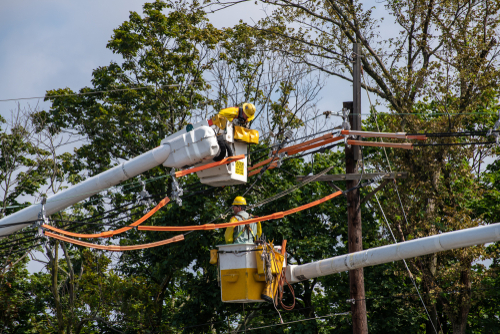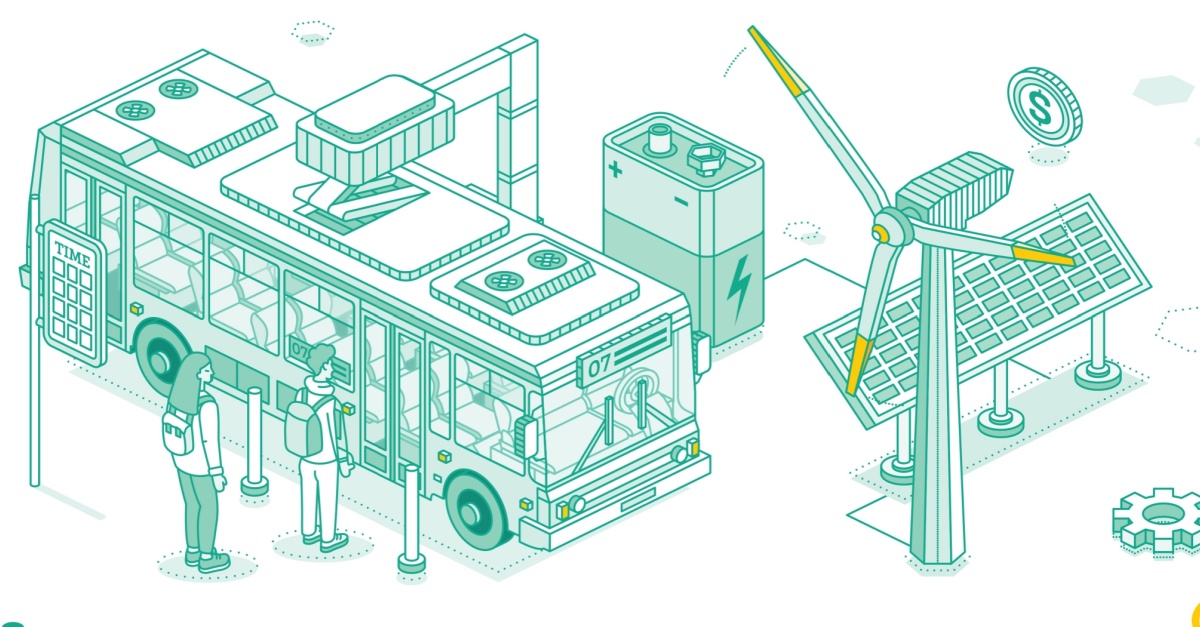
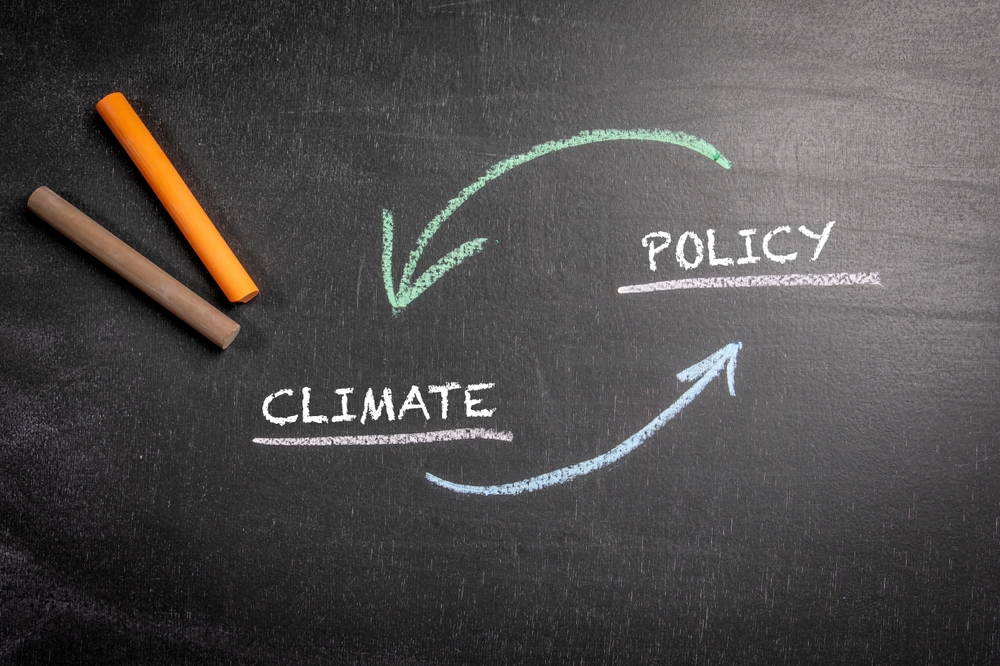
It’s striking how the position of distributed energy has shifted in just a few years. It had been an also-ran in climate discussions. Critics said it was too small to matter — that it couldn’t scale to offer enough clean megawatts.
Now it’s often featured prominently.
Such is the case in a new effort launched last week by the Federation of American Scientists (FAS), a 75-year-old group first formed in response to atomic weaponry and now focusing on greenhouse gases.
Climate is among the “wicked” problems that our government addresses poorly, according to FAS. The organization wants us to reimagine government policy through high-trust brainstorming and expert networks — abandoning finger-pointing in favor of creative thinking.
On the day the Trump administration reversed the endangerment finding—the underpinning of federal climate policy—FAS announced its new Center for Regulatory Ingenuity, tasked with reorienting government decision-making.
“Today’s rollback of the endangerment finding underscores that we are in a new era for U.S. climate policy,” said Hannah Safford, associate director of climate and environment at FAS. “To be clear: there’s no credible scientific basis for that rollback, which FAS strongly opposes.”
Solving Climate Issues with Distributed Energy
But that doesn’t mean current policy was perfectly conceived; it may be legally vulnerable. Saffron pointed out that the Clean Air Act, the basis for US climate policy, falls short because it wasn’t designed to guide the economy-wide transition to clean technologies underway. (The Obama administration structured climate policy within the Clean Air Act after it became apparent that Republicans would block carbon cap-and-trade legislation. It remains be seen how the courts construe Trump’s reversal of the endangerment finding.)
So now what?
“There’s tremendous opportunity for innovation on how we design and deliver climate policies that are equitable, efficient, effective, and durable. With EPA stepping back on this front, it’s time for others to step forward,” Safford said.
Distributed energy is among the innovations FAS pushes in a policy primer released last week or state and local leaders: From Ambition to Action: Shovel-Ready Policy Solutions for Climate Leaders.
The crowd-sourced paper brings distributed energy to the fore, grounded in a refined understanding of why it works as a climate solution and what prevents it from scaling.
The paper says that in most places, utilities have not made it easy for customers to secure distributed energy because it doesn’t align with their business models. In other words, utilities won’t make money and may lose money as distributed energy becomes more ubiquitous.
“State leaders can change the status quo by creating mechanisms to compensate distributed resources for the value they bring to the grid, requiring utilities to procure a minimum amount of distributed clean energy, and making it easier to connect small-scale projects to the grid,” says the paper.
Leveling the playing field for clean energy and EVs
FAS doesn’t focus heavily on subsidies for renewable energy, arguing they can compete when placed on a level playing field. Instead, the organization focuses on leveling the field by removing barriers to finance and building, fixing broken market incentives that favor existing players, and expanding the grid more quickly.
The paper looks at ways to improve transportation and housing as well. For example, rather than providing incentive checks for zero emissions vehicles (ZEV), it advises that the government help derisk their purchase by offering state-backed loans for certain customers or by guaranteeing vehicle resale prices.
According to the paper, “The goal should be to make a standard consumer or fleet loan for a ZEV as easy to secure as an internal combustion engine car loan is today. That possibility is on the horizon, and available for states that rapidly bring together financiers, consumer groups, and business interests to map out the financial products needed.”
To be clear, FAS doesn’t push only distributed energy to achieve climate goals but puts a slate of solutions on the table. Still, given a range of factors delaying utility-scale power projects — from consumer resistance to interconnection delays — quick-to-build, clean on-site energy seems like the smartest climate play now, particularly since it can offer a stack of benefits, not only carbon reductions, but also backup power and cost management for the households, businesses and communities that install it.