Xcel Energy Wins Approval of Controversial Minnesota Virtual Power Plant Pilot
Xcel Energy Minnesota won approval of its controversial virtual power plant pilot that divided the distributed energy community.


Xcel Energy Minnesota won approval of its controversial virtual power plant pilot that divided the distributed energy community.

Enphase Energy executive explains how the AI build-out is turning utilities and distributed energy companies into collaborators.
2025 was a record year for distributed energy policy, with states accelerating action on solar, storage, EVs, and resilience. New Pew data shows just how widespread the shift has become.

Speed to power is creating a new market for distributed energy. Three developments from the past week illustrate how varied — and unsettled — the new market is.

Electrons are not political — everyone needs them. And maybe it’s our industry’s own fault. We didn’t do enough to say, “Look, these projects are economic.” It’s a no-brainer in certain states to have solar on your roof.

What is the distributed energy forecast for 2026? A mix of survival and gold-rush fever as incentives disappear, but demand for energy surges.
Who will capture the market for virtual power plants? Competitive distributed energy companies or utilities? Or is there room for both?

Independent developers and advocacy groups fear that, if approved, the Minnesota program will create a model that other utilities nationwide may follow, undercutting competition in the distributed energy market.

Unlike programs under which the utility procures and owns distributed energy resources — such as Xcel’s Minnesota program — Xcel’s Colorado pilot avoids utility spending that would be passed through to electricity rates.
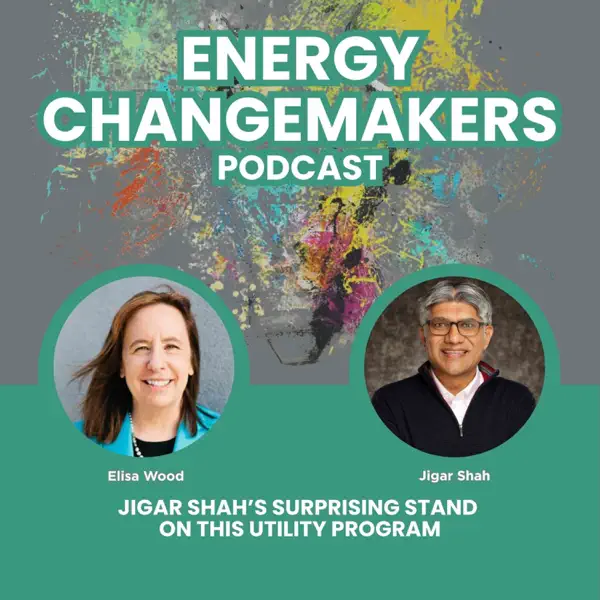
Jigar Shah explains why he supports the Xcel Minnesota virtual power plant program in an Energy Changemakers Podcast.