

Over half of US states use renewable portfolio standards (RPS) to boost green energy. Now, a California state senator is proposing applying the same concept to virtual power plants (VPP).
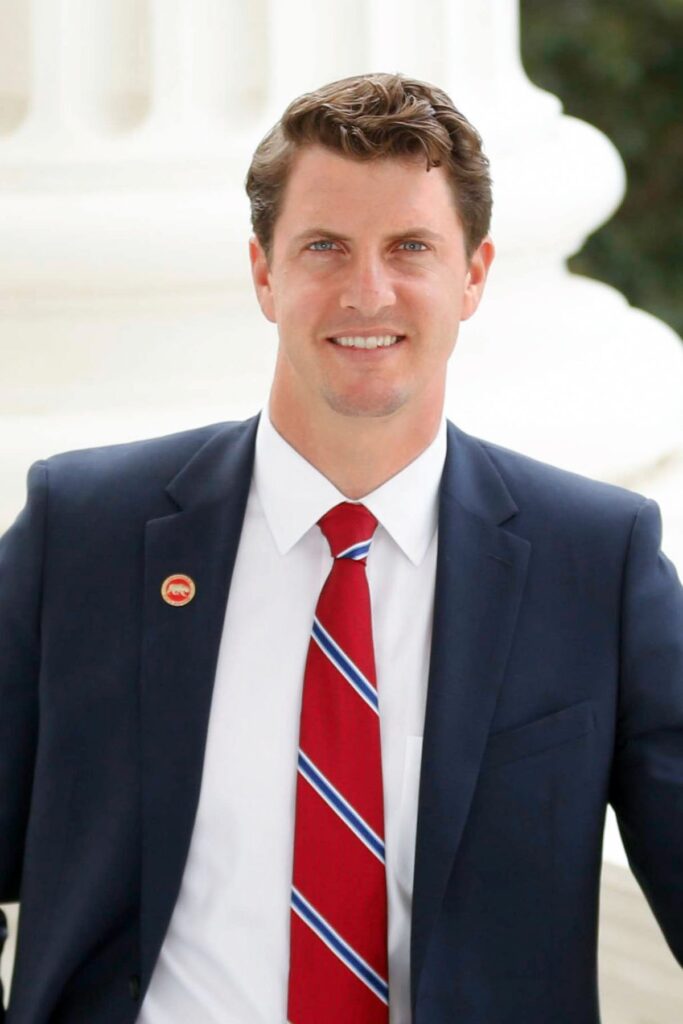
State Sen. Henry Stern, a Democrat, has introduced legislation requiring “load-serving entities,” such as California’s utilities and community choice aggregators (CCAs), to meet a percentage of their resource needs through virtual power plants.
In an interview last week, Stern said the virtual power plant industry has matured to the point where it’s time to bring it into “the mainframe of the energy discussion” and not treat it as a niche.
If passed, SB 1305 would make California the first state in the nation to apply the RPS approach to boost the development of virtual power plants.
How it would work
Like RPS programs—which typically require utilities to procure a percentage of their generation from renewables—the bill would set targets for virtual power plant use that must be met by specific dates.
Beginning Jan. 1, 2028, load-serving entities would need to procure at least 2.5% of their monthly system resource adequacy obligation from virtual power plants. The figure ramps up over the next seven years to 15% in 2035.
To fulfill the requirement, utilities and CCAs would acquire — by ownership or contract — the right to use virtual power plant services. Virtual power plants would provide at least one of four services:
- Use controls to reduce electricity use when called upon
- Shift electricity use from peak to off-peak times by using automated controls managed by the virtual power plant operator.
- Provide dispatchable energy, capacity, and other grid services from distributed renewable generation resources and energy storage systems.
- Reduce consumer cost for electricity by reducing peak time use or shifting electricity use from peak to off-peak times.
Cliff Staton, head of government affairs and community relations for VPP provider OhmConnect, said the bill’s approach derives not only from California’s RPS, enacted in 2002, but also from an energy storage target the state set in 2010.
“Sen. Stern has basically followed in those footsteps and said, ‘Okay, we did this successfully twice. We were able to really speed along or accelerate the clean energy transition with the RPS and with battery storage. And we need to do the same thing now with virtual power plants,’” Staton said.
Virtual power plants, however, need the policy boost for a different reason, according to Staton.
Energy storage and renewables were promising but expensive at the time targets were sent for them, he said. Implementing the targets gave the industries confidence that a market would build. “Once you do that you start to bring costs down over time. And that’s what happened.”
Virtual power plants, however, don’t need to scale up manufacturing. “The technology is here. It’s really setting the target in order to remove some of the regulatory barriers that are preventing VPPs from growing in the way that they should.”
Among those issues, he said, are access to customer data.
Sarah Delisle, vice president of government affairs & communications at Swell Energy, a VPP provider, said that “the legislation marks a turning point in how previously utilities and the state enacted VPPs as pilot projects or short-term funding opportunities, to one that requires greater long term planning to meet a VPP mandate that will drive further conversations around incentives, rates, performance, measurement and verification, data, and more.”
Navigating a tough legislative year
What are the chances of the legislation becoming law?
OhmConnect’s Staton noted that Stern has a record of shepherding distributed energy legislation into law. “And I think there will be a lot of support from a pretty broad coalition of allies.”
Political pundits are warning, however, that it may be a tough year for new legislation in the state. California faces a $68 billion budget deficit, which led Governor Gavin Newsom and legislative leaders to urge lawmakers to keep new initiatives in check this year.
“It may end up that the levers we’ve got to pull, at least for this particular session, are a little more incremental. But then we’re building towards something much bigger,” Stern said. “We want to grab people’s attention and show what’s possible.”
Stern added he wants the California Public Utilities Commission to focus more on virtual power plants and utilities to view them as grid assets and not a threat. “But for whatever reason, right now—and this is what happens with all markets—it just hasn’t caught on yet. So what are we going to do to get there?”
Track news about the emerging decentralized grid. Subscribe to the weekly Energy Changemakers Newsletter.