
The Voice of Distributed Energy
Menu
  • Stories
    • Distributed Generation
    • Storage & EVs
    • Virtual Power
    • Energy Efficiency
    • Policy
    • Microgrids Now
    • Prosumers
    • Decentralized Grid
  • Podcast
  • Resources
    • White Papers
    • Case Studies
    • Content Services
  • About
  • Newsletter
  • Substack
Energy Changemakers
Subscribe
Decentralized Grid

Electrotech Reinvents the Energy Transition

by Elisa Wood

electrotech
Art-is-Power/Shuttterstock.com
September 21, 2025
Share

Electrification has always been a confusing term, especially to the energy layperson, who wonders why it’s trumpeted as something new when electricity is already ubiquitous. Hadn’t we electrified most buildings in the US by the 1940s?

Today, the word “electrification” describes a subset of that effort, largely the electrification of transportation and heating.

Last week, research firm Ember surfaced a new term, electrotech, to better describe our energy transition. Electrotech encompasses electrification but embraces even more. It’s not anything new, but a rethinking of how to describe the change underway to the electric system.

Subscribe to the free, weekly Energy Changemakers Newsletter. Or if you’d like more of our news and analysis, join our community, starting at only $59.99/year.

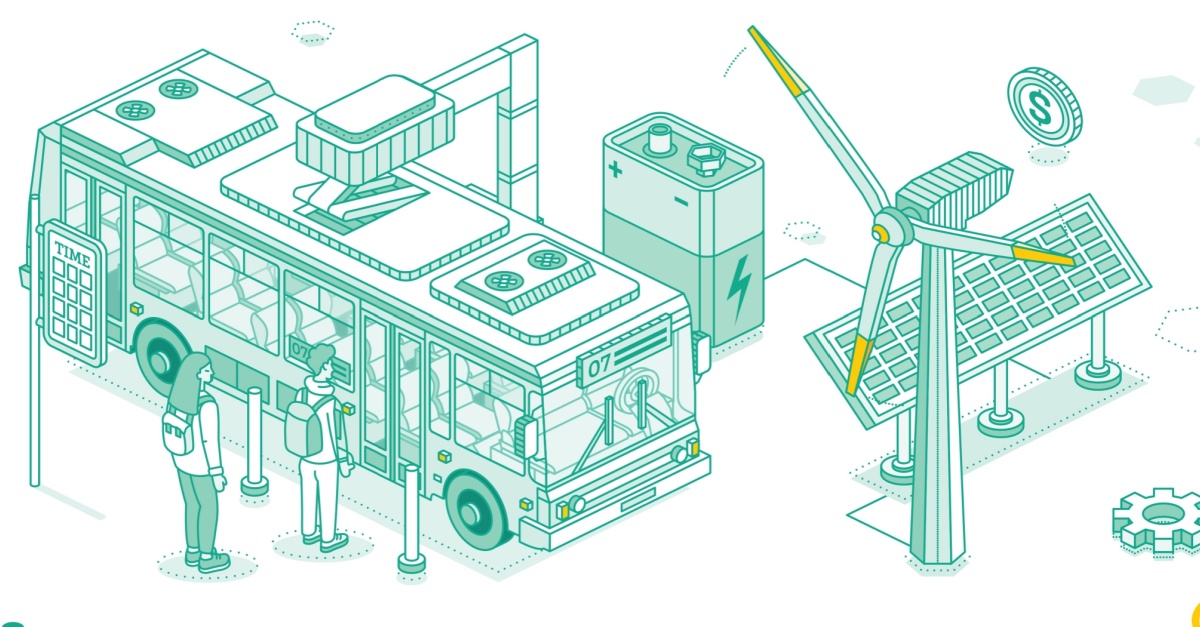
“Electricity is now the engine of change,” Ember says, in a detailed slide deck that explains electrotech as the nexus of three energy trends. These are:

  • Solar/wind dominate supply
  • Electricity finds more uses, powering electric vehicles, heat pumps and AI
  • Batteries and digitalization connect supply and demand

Viewing these three trends as a single driver, electrotech creates a better way to quantify the economics of the energy transition.

For example, electrotech turns out to be three times more efficient than fossil fuels, which waste two-thirds of primary energy inputs. (See our podcast on energy productivity with energy economist Skip Laitner.) This loss costs the economy more than $5 trillion annually, Ember says, noting that harnessing power from the sun offers access to 100 times more energy than fossil fuels. 

Here’s another way to think about electrotech — the more of it we get, the cheaper it becomes. Electrotech costs fall by about 20% each time its deployment doubles, Ember says. Fossil fuels behave in the opposite way, growing in price following extraction. This helps explain why electrotech is capturing two-thirds of global energy investment.

“Electricity is now the engine of change.”

Ember

Ember also describes electrotech as enhancing independence and security because it lasts for decades, “providing insulation from the vagaries of global pricing.”

Given China’s commanding position in the electric vehicles and solar market, it’s no surprise that it leads the electrotech revolution. And we may already be seeing its effect on fossil fuels in that country. China’s use of fossil fuels for electricity decreased by two percent in the first half of 2025, a significant phenomenon given that China has driven net oil growth. This may be a signal of what’s to come. Ember maintains that electrotech can serve two-thirds of the world’s energy demand and will push fossil fuels into decline by 2030.

“Electrotech has grown exponentially for decades. Now it is too cheap to contain and too big to ignore,” says Ember.

Subscribe to our free weekly newsletter about all things distributed energy.
Subscribe

Top Podcast

what is plug-in solar

8 Things to Know About Plug-in Solar as it Gains Traction in the US 

What is plug-in solar? Can households really install it themselves? Is it safe? Is it cost-effective and will it take off in the US as it has in Europe? 

Latest Resources

Energy Changemakers Media Kit – The Voice of Distributed Energy

About Energy ChangemakersEnergy Changemakers is a journalist-led media and content platform built exclusively for the distributed energy and grid-edge market. At its core, the company operates at the intersection of: Our mission is to Educate. Elevate. Amplify.

Ultra-Reliable Onsite Generation How Enchanted Rock Delivers

For decades, commercial and industrial facilities operated under a simple assumption: electricity service was readily available and highly reliable. Backup generators were installedprimarily to meet regulatory requirements or protect against rare emergencies. Today, that assumption is becoming less certain. The US grid is under mounting pressure from severe weather, aging infrastructure, and rapid growth in […]

2026 Market Survey: Microgrid and Distributed Energy Projects Grow in Complexity

Reports of distributed energy’s demise have been greatly exaggerated, according to a 2025 survey of distributed energy and microgrid industry professionals. When the One Big Beautiful Bill Act became law in July 2025, many industry experts feared solar-heavy distributed energy development would dry up with the loss of federal incentives. While survey respondents (67%) say […]
Ameresco energy allies

Energy Allies: Communities and Utilities Building Resilience Together

This white paper examines how successful partnerships among communities, utilities, and energy service providers can improve the grid and achieve mutually beneficial outcomes.

RSS Microgrids Now

  • The $388 Billion Argument for Data Center Microgrids & Resilience Investments
  • Microgrid Company IPO Filing Shows $1.3 Billion Sales Backlog, Up 779%
  • The Microgrid Dilemma: To Build Around the Grid or Wait for It?
  • Montgomery County, Maryland, Notches Another Microgrid Win, This One for Affordable Housing
  • Against the Odds, Communities Can Build Local Energy. Here’s How
The Voice of Distributed Energy
Learn about grid edge opportunities
Subscribe
Energy Changemakers
Energy Changemakers
600 Twentyninth Place Ct #1055
Charlottesville, VA 22901
elisa@energychangemakers.com
© Wood Energy Writers LLC. All rights reserved.
  • Terms of Service
  • Privacy Policy