Google’s Next VPP Move: Pay for the DERs
The California program assembles an ecosystem of distributed energy companies to install new home energy systems and aggregate existing devices.


The California program assembles an ecosystem of distributed energy companies to install new home energy systems and aggregate existing devices.

Forget the idea that a virtual power plant is just thousands of batteries and thermostats. New Jersey players are pushing for something much broader.

The conversation shifted this year from what distributed energy can do to what it can save, as utility rates escalate.

Robert Cross of Outfit argues that distributed energy resources have become an “irresistible force” colliding with the “immovable object” of the traditional utility business model
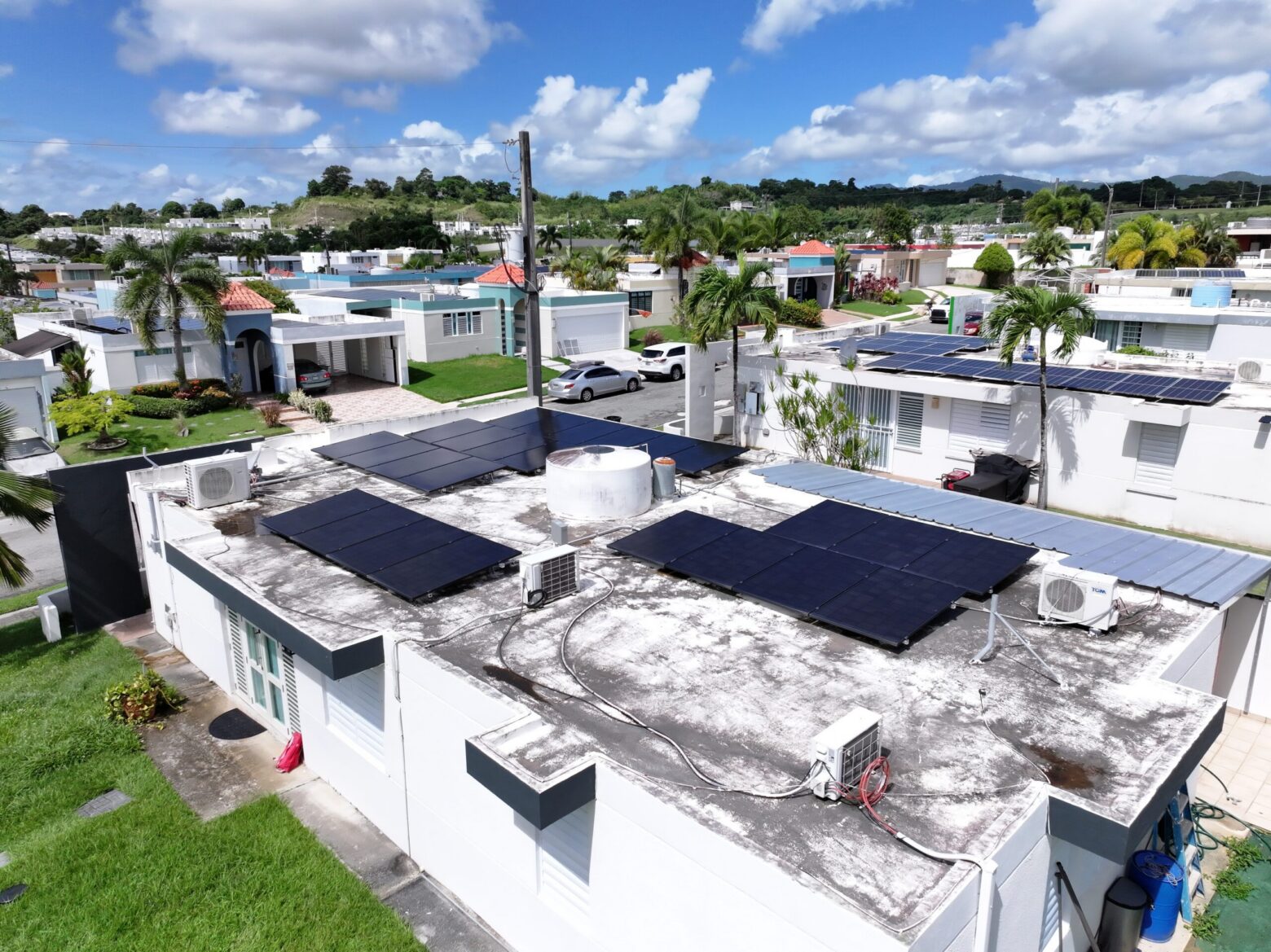
With its use of distributed power plants, the island offers a lesson on how the mainland grid can survive the age of AI.
Michael Lee, founder of Distributed Grid, says the cost-of-service model is increasingly out of step with today’s grid realities. He argues for a distributed grid where utilities are paid for outcomes such as affordability, reliability and speed to power, rather than for expanding rate base.
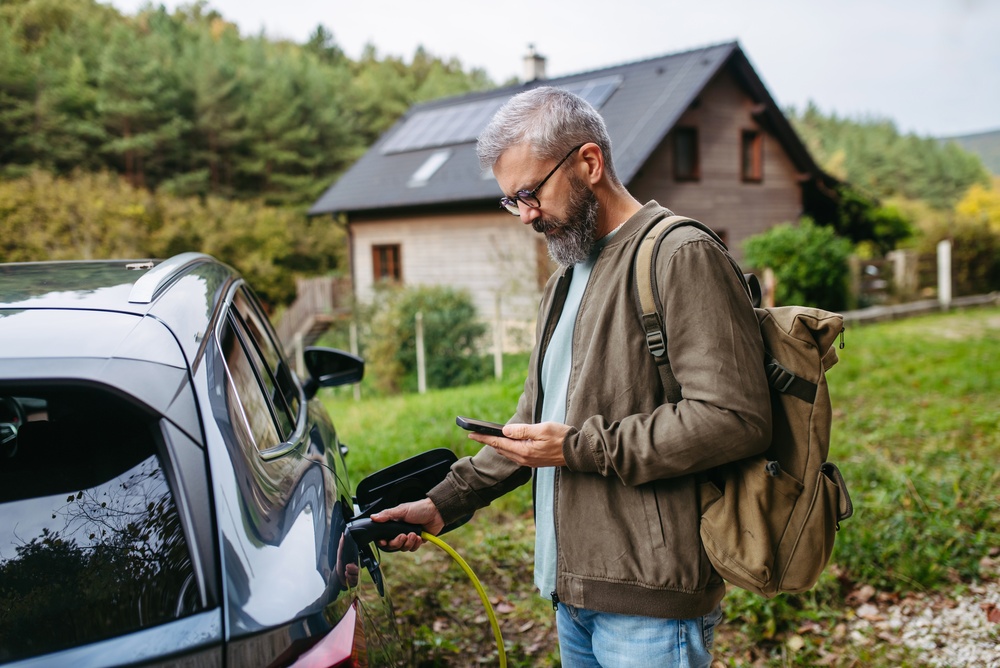
By creating virtual power plants, tech companies can give something back to the community and maybe ease some of the opposition to data centers.

Local solar, batteries, EVs and virtual power plants aren’t sideshows. They’re becoming core grid resources.
The proposed NextEra–Dominion merger could create a distribution powerhouse as data centers, microgrids and customer-sited energy begin reshaping the electric system.
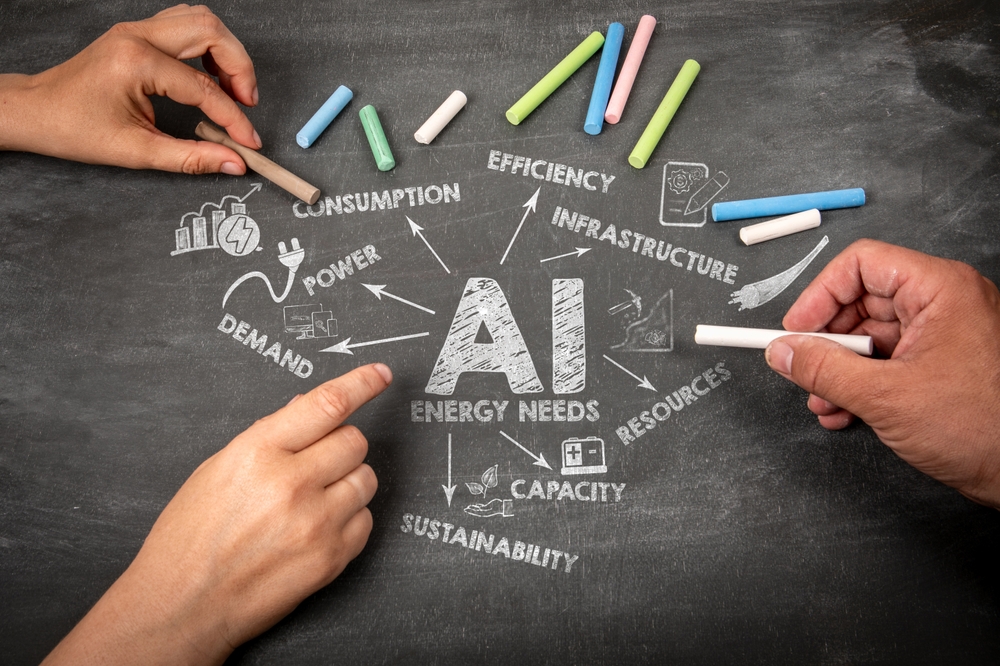
As AI drives unprecedented load growth, DERs, efficiency, and flexible demand are complicating the supply–demand equation