Virginia Leads with Distributed Energy in New State Plan that Addresses Data Center Growth
Virginia’s new energy plan puts distributed energy and grid flexibility at the center of its strategy for meeting soaring electricity demand.


Virginia’s new energy plan puts distributed energy and grid flexibility at the center of its strategy for meeting soaring electricity demand.
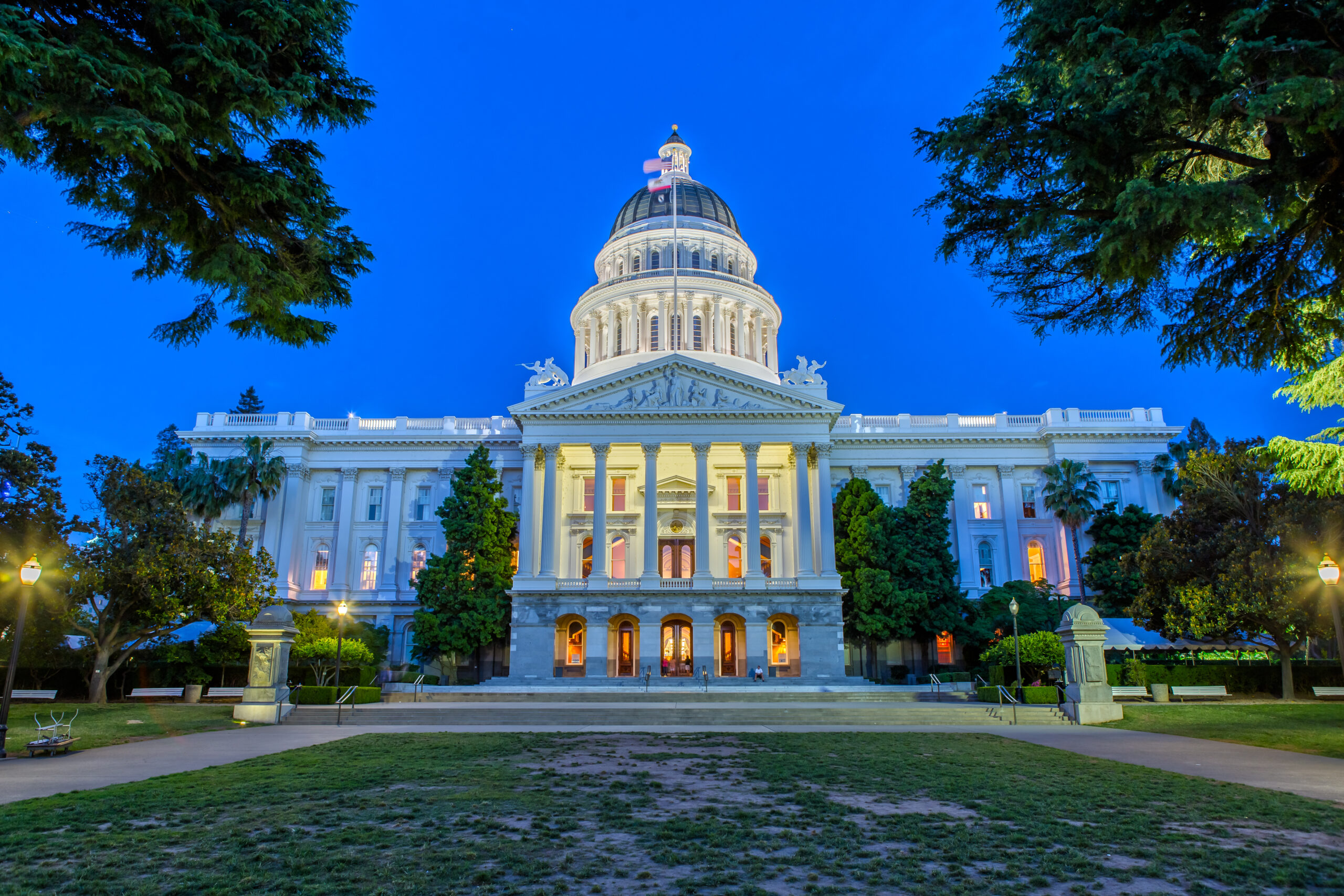
A new law will make it easier for Californians to install plug-in solar, opening the nascent US market to California’s large green economy.
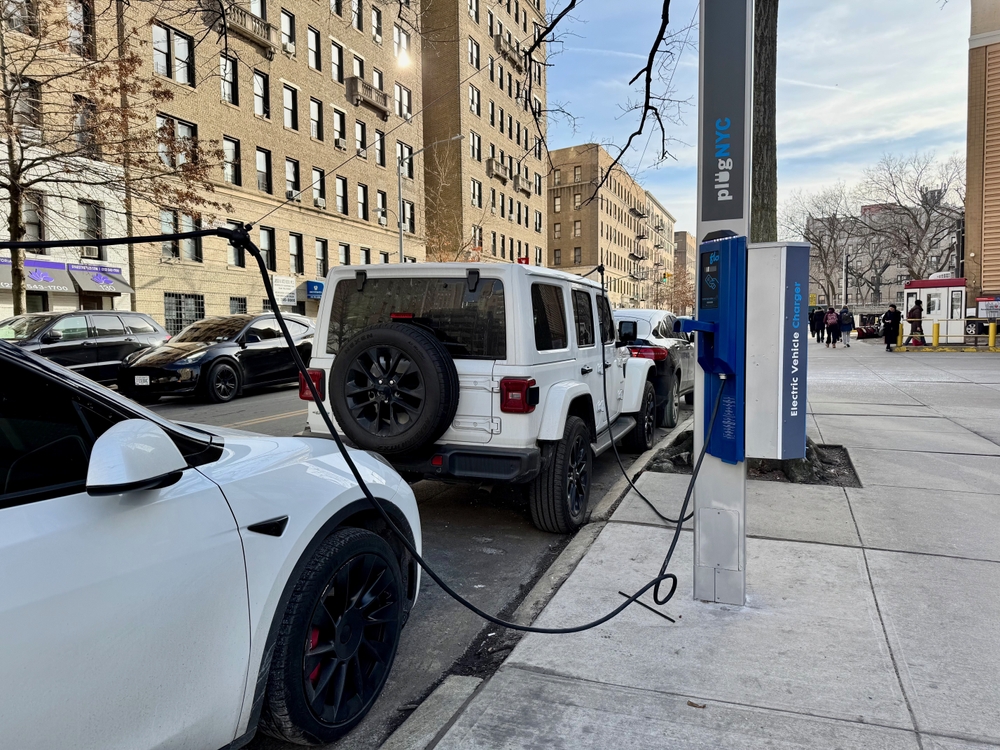
The Mamdani administration increasingly looks like it’s favoring a distributed energy agenda. The most recent move: 700 curbside EV chargers to encourage rideshare and cab drivers to electrify.

Forget the idea that a virtual power plant is just thousands of batteries and thermostats. New Jersey players are pushing for something much broader.

Electric cooperatives already know how to federate for scale; Keith Taylor says the same model could accelerate microgrids, distributed energy and a more democratic grid.
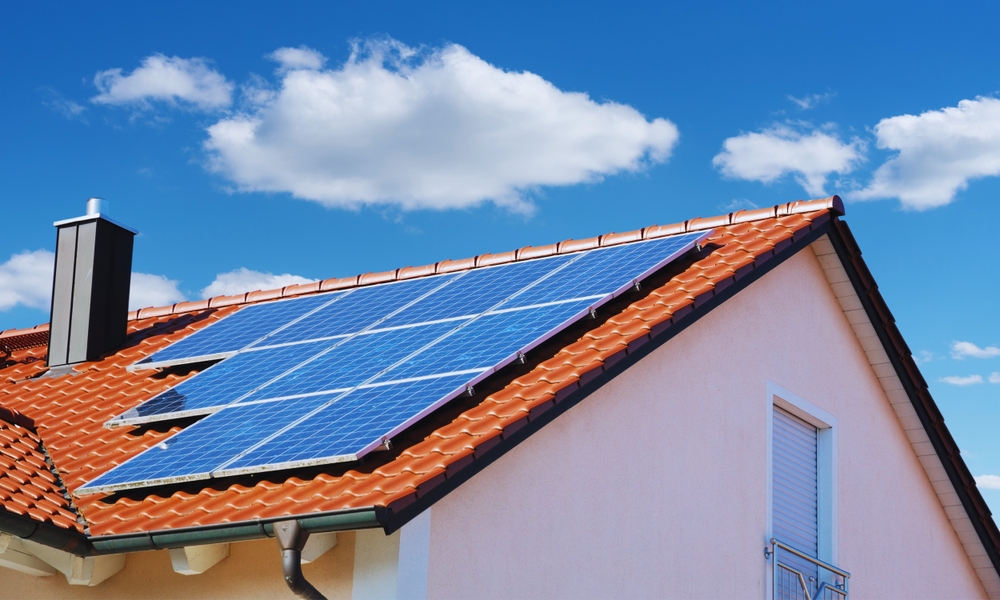
Seventy percent of likely voters surveyed said they support using personal or community energy devices to lower their utility bills.
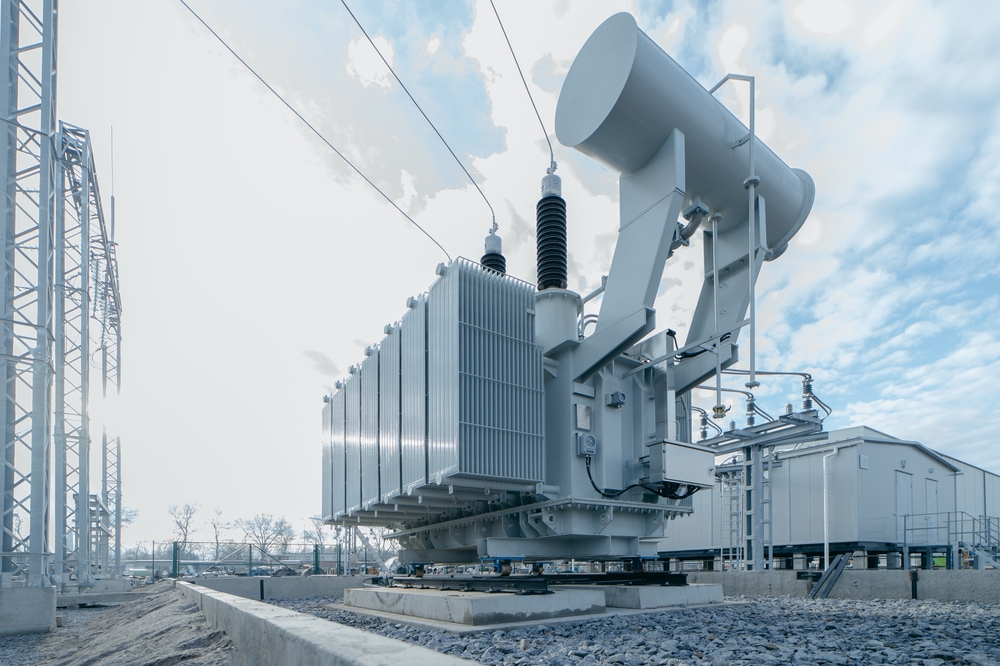
The electroindustry accounts for about 1% of GDP and will become increasingly consequential and politically fraught as electricity demand rises, putting pressure on manufacturing output.
Once it was two solar guys in a truck disrupting the utility monopoly; now it’s the world’s most valuable companies.

Comptroller Mark Levine makes economic argument for use of rooftops and parking lots for bottom up energy planning

The conversation shifted this year from what distributed energy can do to what it can save, as utility rates escalate.