
The Voice of Distibuted Energy
Menu
  • Stories
    • Distributed Generation
    • Storage & EVs
    • Virtual Power
    • Energy Efficiency
    • Policy
    • Microgrids Now
    • Prosumers
    • Decentralized Grid
  • Podcast
  • Resources
    • White Papers
    • Case Studies
    • Content Services
  • About
  • Newsletter
  • Substack
Energy Changemakers
Subscribe
Decentralized Grid

What Do All Big Power Outages Have in Common? A Big Grid

The Iberian Peninsula Grid Outage Underscores the Need for Decentralized Energy

by Elisa Wood

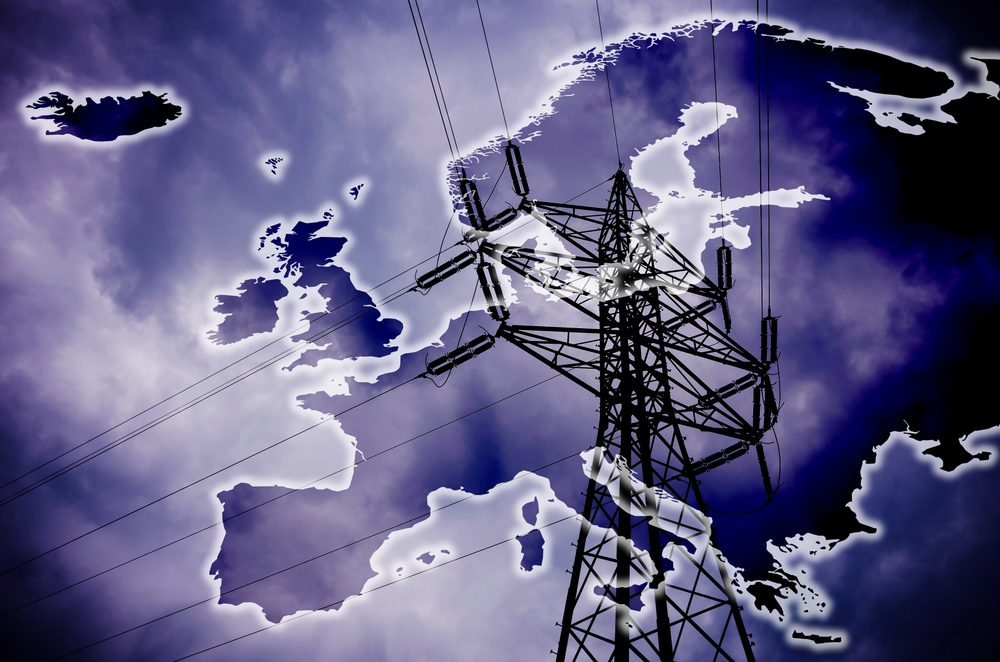
Iberian Peninsula grid outage
Shutterstock.com
May 5, 2025
Share

Here we are again. Another grid disaster, this time knocking out power to large swaths of Spain and Portugal, causing loss of life and an estimated $1.7 billion in economic damage.

Engineers, innovators, scientists, grid experts and mere speculators are debating the cause of the April 28 Iberian Peninsula grid outage as we await the official report. The cause will likely be a confluence of unexpected events.

In the US, we saw this in August 2003 when a software bug, hot weather and a branch landing on a wire in just the right location cascaded into loss of power for 50 million people in the US Northeast, Midwest and Canada.

We saw it in 2012 during Superstorm Sandy, when nature conspired to create an unusually widespread storm that exposed electricity vulnerabilities along the US Eastern seaboard.

We saw it in 2017 when Hurricane Marie collapsed Puerto Rico’s entire grid, already weak from a range of design flaws and maintenance neglect.

And there are other examples but you get the point. 

Subscribe to the free Energy Changemakers Newsletter

Society’s approach to these mass outages evokes the phrase often attributed to Einstein: The definition of insanity is doing the same thing over and over and expecting different results.

The immediate problem gets fixed, but it’s a game of whack-a-mole. Eventually, another big grid goes down. 

We don’t seriously tackle the root cause — the underlying principle behind big grids that makes them vulnerable.

I was struck by comments the UK-based Science Media Center issued from 10 scientists. The term “interconnected” came up repeatedly in their analysis of the Iberian Peninsula grid outage.

“Yes, national grids across Europe are linked to allow electricity trading and to improve overall reliability. This embedded economy of scale principle also helps reduce electricity costs for customers. However, this interconnectedness also means that serious faults, like a large loss of synchronization, can spread across multiple regions or even countries if not rapidly contained,” said Prof Jianzhong Wu, Professor of Multi-Vector Energy Systems, University of Cardiff.

Large interconnected grids, by their nature, are prone to domino like failures.

The solution is grid decentralization. This doesn’t mean doing away with interconnected grids —as Wu points out they offer many benefits. But it does require an organized strategy to build distributed energy and microgrids to keep power flowing during grid failures — and create price, efficiency and environmental benefits when the grid functions normally.

A decentralized grid is emerging in the US, but in a haphazard way that’s largely driven by consumers and businesses taking on the task themselves, sometimes with incentives and guidance from state governments. This will help those who install solar, batteries and microgrids. But it will leave many others in the dark during the next, inevitable, big grid outage.

Subscribe to our free weekly newsletter about all things distributed energy.
Subscribe

Top Podcast

energy changemakers podcast

A Complete List of Energy Changemakers Podcasts

The Energy Changemakers Podcast, with host Elisa Wood, is available every other Wednesday on Apple and Spotify.

Latest Resources

2026 Market Survey: Microgrid and Distributed Energy Projects Grow in Complexity

Reports of distributed energy’s demise have been greatly exaggerated, according to a 2025 survey of distributed energy and microgrid industry professionals. When the One Big Beautiful Bill Act became law in July 2025, many industry experts feared solar-heavy distributed energy development would dry up with the loss of federal incentives. While survey respondents (67%) say […]
Ameresco energy allies

Energy Allies: Communities and Utilities Building Resilience Together

This white paper examines how successful partnerships among communities, utilities, and energy service providers can improve the grid and achieve mutually beneficial outcomes.
microgrids as building blocks

Microgrids as a Building Block for Future Grids

This white paper is the fourth in a series of seven white papers in support of the DOE Microgrid R&D Program and presents a broad vision for future grids where microgrids serve as a building block along with technologies that would need to be developed, use case scenarios and the research targets. The DOE Microgrid […]
utility bills

Utility Bills are Rising: PowerLines

New polling by PowerLines, a nonpartisan consumer education nonprofit, reveals the toll of rising utility bills on American energy consumers.

RSS Microgrids Now

  • Montgomery County, Maryland, Notches Another Microgrid Win, This One for Affordable Housing
  • Against the Odds, Communities Can Build Local Energy. Here’s How
  • Microgrids Are a Goldmine for Grid Operators — They Just Don’t Know It
  • What Makes a Community Microgrid Actually Work? Start by Listening, Not Engineering
  • Is Distributed Wind Poised for a Second Act in Virtual Power Plants and Microgrids?
The Voice of Distributed Energy
Learn about grid edge opportunities
Subscribe
Energy Changemakers
Energy Changemakers
600 Twentyninth Place Ct #1055
Charlottesville, VA 22901
elisa@energychangemakers.com
© Wood Energy Writers LLC. All rights reserved.
  • Terms of Service
  • Privacy Policy