
I’ve been writing about clean energy innovation for close to 35 years, having stumbled into the world of energy quite by accident in the ‘80s. I’ve written four books on energy topics and am currently working on another one, this one focused on energy pioneers in Alaska.
But if I am honest, I was one of those Ivory Tower commentators. I am far from an engineer; more of a policy wonk and community activist. So when I bought a new home in a Sonoma County coastal village in March of 2022, I was excited to finally translate my words about resilient and sustainable energy systems to respond to the climate change threat into action in my very own backyard. I was finally going to become a prosumer and practice what I had been preaching for decades. When I learned that this village was the setting for the first environmental protest in the nation in 1963 – against the first nuclear power plant proposed by Pacific Gas & Electric – I sensed I had moved to the right place.
I was excited to finally translate my words about resilient and sustainable energy systems to respond to the climate change threat into action…I was finally going to become a prosumer and practice what I had been preaching for decades.
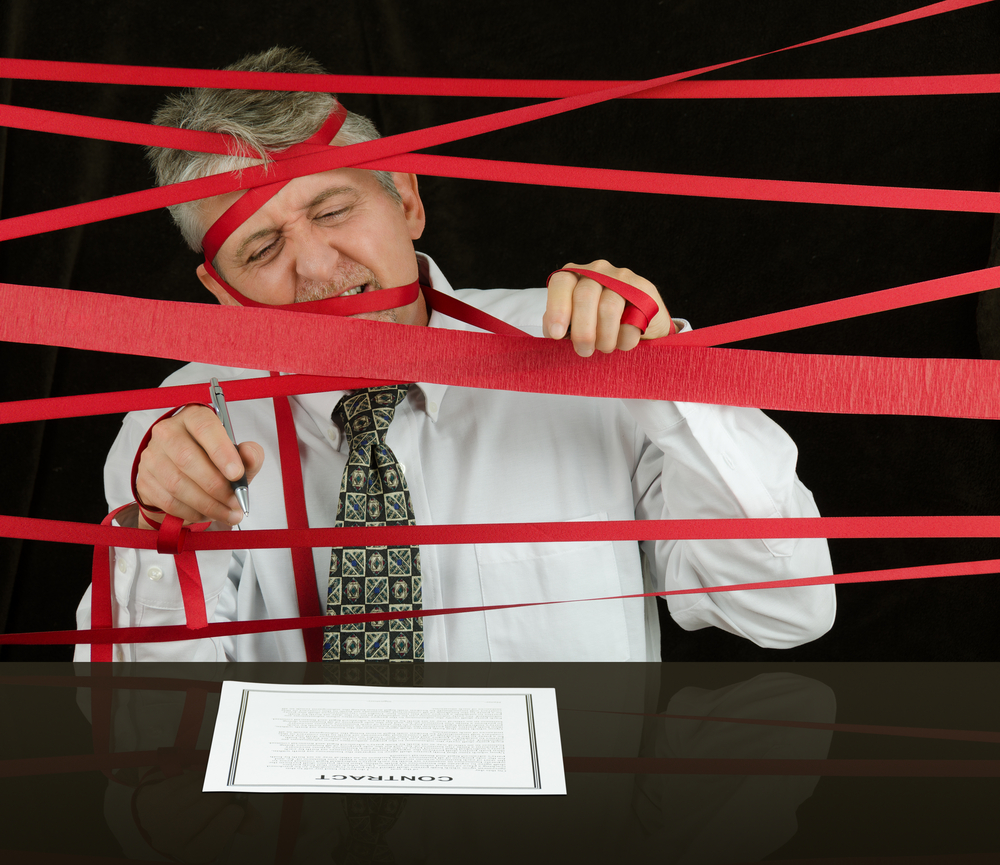
When I stepped into the real world, I discovered becoming a prosumer can be hard work. If everyone has to go through what I had to go through to get a rooftop solar photovoltaic (PV) system and a Tesla PowerWall installed, we as a society are clearly doomed, despite the promise of government programs such as the Inflation Reduction Act. Read on to learn about my cautionary tale.
The California Public Utilities Commission (CPUC) dealt a major blow to the state’s solar industry – and utility customers – one year ago when it approved rules representing a 75% reduction in the rate compensating rooftop solar PV systems when excess clean electricity is sent back to the state’s power grid. California leads the nation on solar PV deployments and other climate-friendly technologies, such as electric vehicles. As California goes, so goes the nation. One might find it ironic that state regulators would make such a move given the evidence of climate change in California, including wildfires leading to emergency and now planned power outages, but alas, well-heeled special interests almost always find a way to get their way, often to the detriment of the citizenry. (More recently, they sadly continued cutting back on solar support as well.)
California Going in Reverse
There is a bright side to the subsidy cuts. The change in state public policy increased the importance of pairing rooftop solar with batteries, which can store the excess solar to be used after the sun sets and most homes’ energy consumption goes up, in the early evenings. In this case, the decline in solar and battery energy storage costs could justify a change in policy. The deadline to qualify for the existing more lucrative net metering arrangement was off into the future – April 15, 2023 – so I wasn’t yet too worried about it. Motivated by self-interest, I was intent on using the cut-off date to capture the more generous payment stream for my excess solar electricity generation as a lever to get the system approved and installed ASAP.
Is Bigger Better?
I contacted a large well-established national solar company with a good reputation in the residential space and looked forward to walking the talk after years of preaching the virtues of clean energy in books, blogs, white papers and numerous speaking opportunities.
If everyone has to go through what I had to go through to get a rooftop solar photovoltaic (PV) system and a Tesla PowerWall installed, we as a society are clearly doomed.
I was offered an attractive value proposition: a solar and battery system with no upfront costs, instead a mortgage-like arrangement. (We in the industry have deemed this a form of energy-as-a-service.) I was hoping that I could become a true prosumer by becoming part of a virtual power plant with my local community choice aggregation (CCA) provider, Sonoma Clean Power. Since I was one of the first energy research analysts to define and size and forecast the future of the VPP market, you can imagine how excited I was about not only generating my own clean electricity but sharing it with the grid at large.
I filed an application with the solar company in May 2022. The first barrier I encountered was my local Homeowners Association (HOA), which kept insisting the battery be installed inside of the garage due to aesthetics. The HOA, which was run by a single billionaire until enough homeowners purchased a threshold number of homes in the new subdivision, lacked any public forum to engage, never followed through on any of their own dictated deadlines, and generally said no to all requests by homeowners in the subdivision. I reached out to solar advocates and others for advice. I learned about California’s Solar Rights Act – which implied the HOA’s stance was illegal. I conferred with local county officials, who had to sign off on the solar permit before installation. Meanwhile, the solar company insisted the battery be placed on the outside of the house, pointing to recent statewide fire safety requirements.
Solar Company Also Clueless
While my ire was focused on the HOA, after months of back and forth I ultimately learned that because my house was brand new and the garage was attached, the new state fire safety regulations did not apply to me. This was, no doubt, partially the fault of the national solar company, whose representative was a clueless dude in Oklahoma who had no knowledge of local permitting quirks.
Without better public education and permit streamlining – and perhaps fast-tracking of simple systems such as mine — we’ll never be able to meet the climate challenge in time.
Yet once I agreed to place the battery in the garage, the HOA continued to drag its feet. It wanted to meet with someone on site. They wanted a rendering of what the side of the garage would look like – despite my repeated responses that most everything would not be visible to anyone. By now, it was March, almost April of 2023, and my system was still not approved. I was in danger of missing out on the more lucrative net metering arrangement!
Finally, Success – Sort Of
Finally, the HOA caved. I was given the green light. It took over a year just for a simple solar+battery system. And this only happened because I cajoled the solar and battery lobby to clarify legal and regulatory issues, directly appealed to the local CCA, brought Sonoma County permitting officials into the info exchange, and engaged in lots of nasty back-and-forth with the HOA.
For those of us championing the power of the people in solving the climate crisis – the basis for federal programs such as the IRA – this was a sobering wake-up call. Thanks to the on-site clean power supply, I’ve rode through a few power outages once the system was finally operating. I love checking my system’s performance to see what percentage of my power daily comes from my own system. I am not, however, part of any VPP. The local VPP program I soon discovered was solely focused on demand response, primarily smart thermostats. They have yet to incorporate solar+battery systems into their VPP program – another extreme disappointment. I can now preach the prosumer message, but I have to also be honest. I truly believe in the digitized, decentralized and decarbonized grid of the future. Next up is an electric vehicle (EV). We’ll see what challenges I face as I seek to install the EV charging infrastructure. Ideally, I would be able to tap the EV battery if necessary. Great idea in theory. Will the powers that be allow it? We’ll find out soon enough – or will we?

Peter Asmus, a member of the Energy Changemakers Community, is the Director of Strategic Marketing for AutoGrid and Executive Director of the Alaska Microgrid Group.