
New Guidehouse report describes barriers despite FERC Order 2222
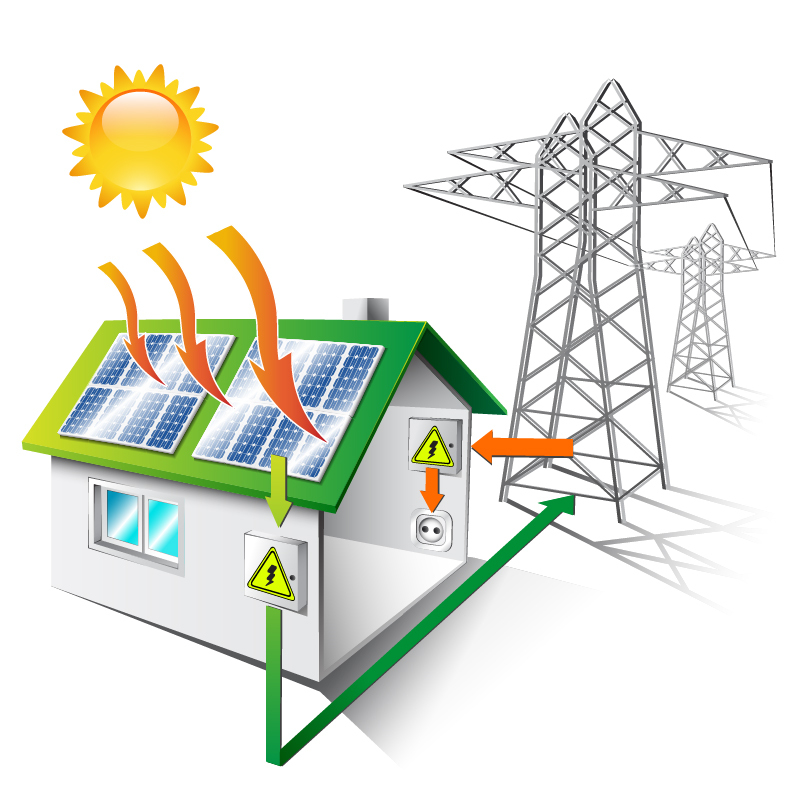
When their output is aggregated, rooftop solar, energy storage, electric vehicles and other distributed energy resources (DERs) can supply energy and services to the US grid much the way a power plant does.
But they rarely do because rules governing the grid block inroads for aggregated DER technologies. The rules were created before the rise of DERs when centralized power plants were the only option.
It looked like that was about to change when the Federal Energy Regulatory Commission (FERC) enacted Order 2222 in 2020, kicking off a process to allow aggregated DERs to compete with power plants and be paid wholesale prices.
But more than three years have passed, and obstructions persist, according to a new whitepaper by GuideHouse Insights: “Alternative Aggregated DER Participation Methods for US Grids Are Still Needed.”
While the federal order has helped by getting the conversation going — and by requiring that the nation’s regional grid operators submit plans to show how they will comply — it’s not been enough. Certain state and regional grid rules still get in the way, according to Guidehouse.
It’s important to fix these problems because aggregated DERs can improve the grid’s function.
Grid operators can use DER aggregations to reduce grid congestion, increase renewable energy, avert the need to build new energy infrastructure and lessen reliance on fossil fuel peaker plants. As consumers and businesses increasingly install DERs, they become a ready-made resource for the grid.
“A grid that leverages DER can be more flexible and resilient, characteristics that are essential as generation from large-scale variable renewable resources increases,” says the whitepaper.
So what’s delaying the use of aggregated DER in wholesale markets?
Guidehouse points to several barriers, some of them unique to certain grid operators, that undermine the goal of FERC Order 2222, among them:
- Prohibition of third-party demand response aggregation
- Minimum size requirements that shut some DERs out
- Rules that block DERs from participating in both retail and wholesale electricity markets, even if they provide different services for each
- Telemetry or metering requirements that make costs too high
- Timelines for new rules that don’t begin for many years
What can be done? Guidehouse recommends experimentation, demonstration and looking to examples in other countries.
“DER aggregators should continue to investigate alternative methods, such as distribution-level programs or local flexibility markets, to demonstrate how aggregated DER can provide grid services in those regions where wholesale participation is not as viable,” the white paper says. “US utilities should look to peers with active programs or grid operators in countries outside the US for guidance on setting up and deploying these types of initiatives.”
Interested in learning more about distributed energy? Sign up for the free Energy Changemakers Newsletter.