Virtual Power Plants Take a Sledgehammer to the Argument That Local Energy Is Too Small to Matter
Google, Voltus and other VPP developers are suddenly talking in gigawatts — putting new pressure on the argument that distributed energy can’t scale.

Google, Voltus and other VPP developers are suddenly talking in gigawatts — putting new pressure on the argument that distributed energy can’t scale.
Gov. Spanberger seizes an opportunity to make Virginia’s new energy priorities a condition of the proposed utility merger.
About Energy ChangemakersEnergy Changemakers is a journalist-led media and content platform built exclusively for the distributed energy and grid-edge market. At its core, the company operates at the intersection of: Our mission is to Educate. Elevate. Amplify.
Brattle models a 57% reduction in projected household bill increases, offering new evidence for VPPs as policymakers search for ways to contain electricity costs.

What is a virtual power plant? Jen Downing, formerly of the Department of Energy, explains how VPPs work using a surprisingly simple analogy: a sandwich.

With grid access taking a decade or more, some developers are making onsite power a permanent solution, not a temporary bridge — opening the door to more complex microgrids.

The findings challenge a longstanding assumption in the energy industry: that electricity delivered by the grid is generally the least expensive option.

Virginia’s new energy plan puts distributed energy and grid flexibility at the center of its strategy for meeting soaring electricity demand.
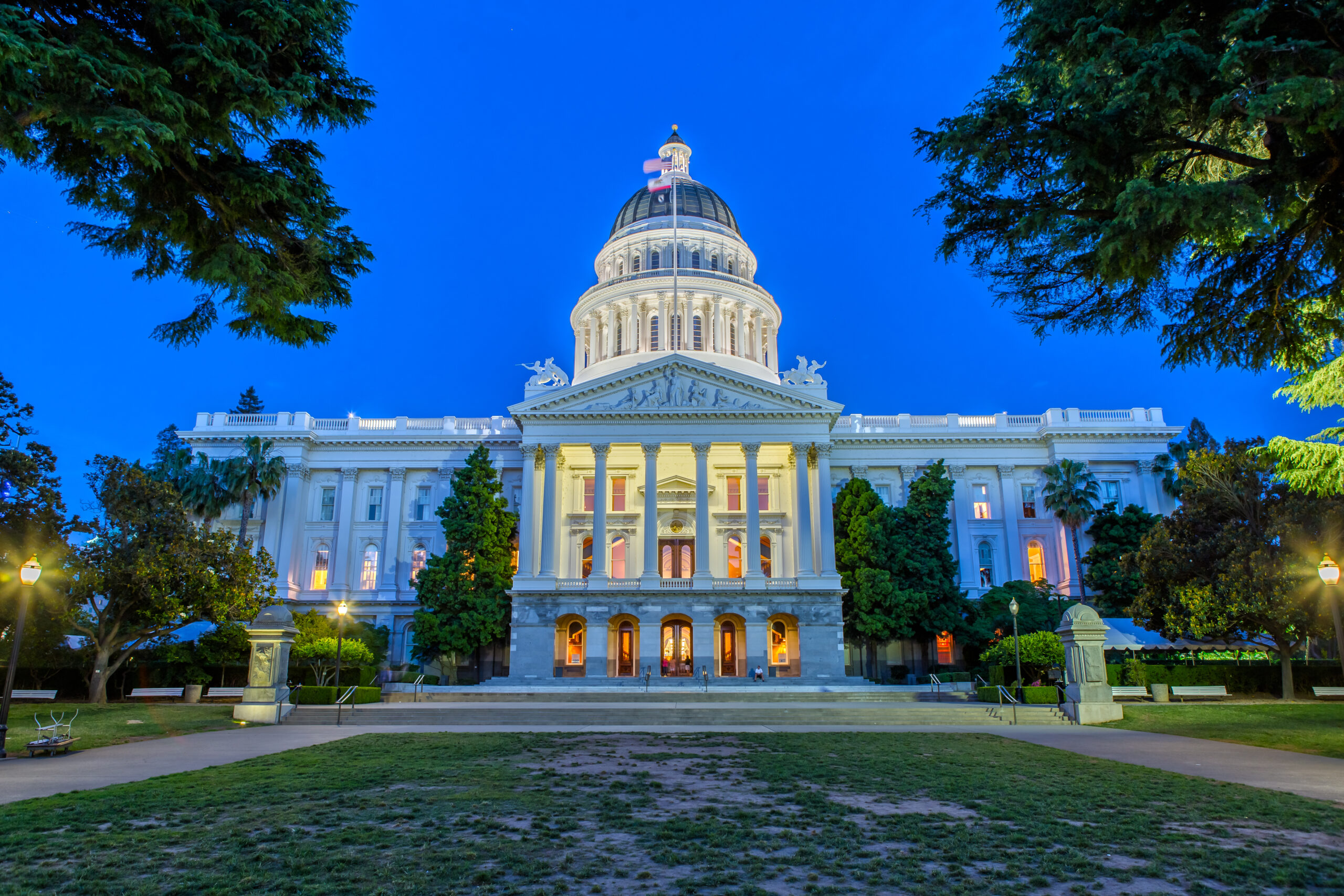
A new law will make it easier for Californians to install plug-in solar, opening the nascent US market to California’s large green economy.

At its most basic, AI is not human; it’s electrons. Pull the plug, and it’s gone. Obviously, no one is pulling any plugs. But the power industry can – and is – starting to pull some levers.