
The Voice of Distibuted Energy
Menu
  • Stories
    • Distributed Generation
    • Storage & EVs
    • Virtual Power
    • Energy Efficiency
    • Policy
    • Microgrids Now
    • Prosumers
    • Decentralized Grid
  • Podcast
  • Resources
    • White Papers
    • Case Studies
    • Content Services
  • About
  • Newsletter
  • Substack
Energy Changemakers
Subscribe
Uncategorized

A New Era of Energy Wealth

by Elisa Wood

energy wealth
Shutterstock.com
June 7, 2025
Share

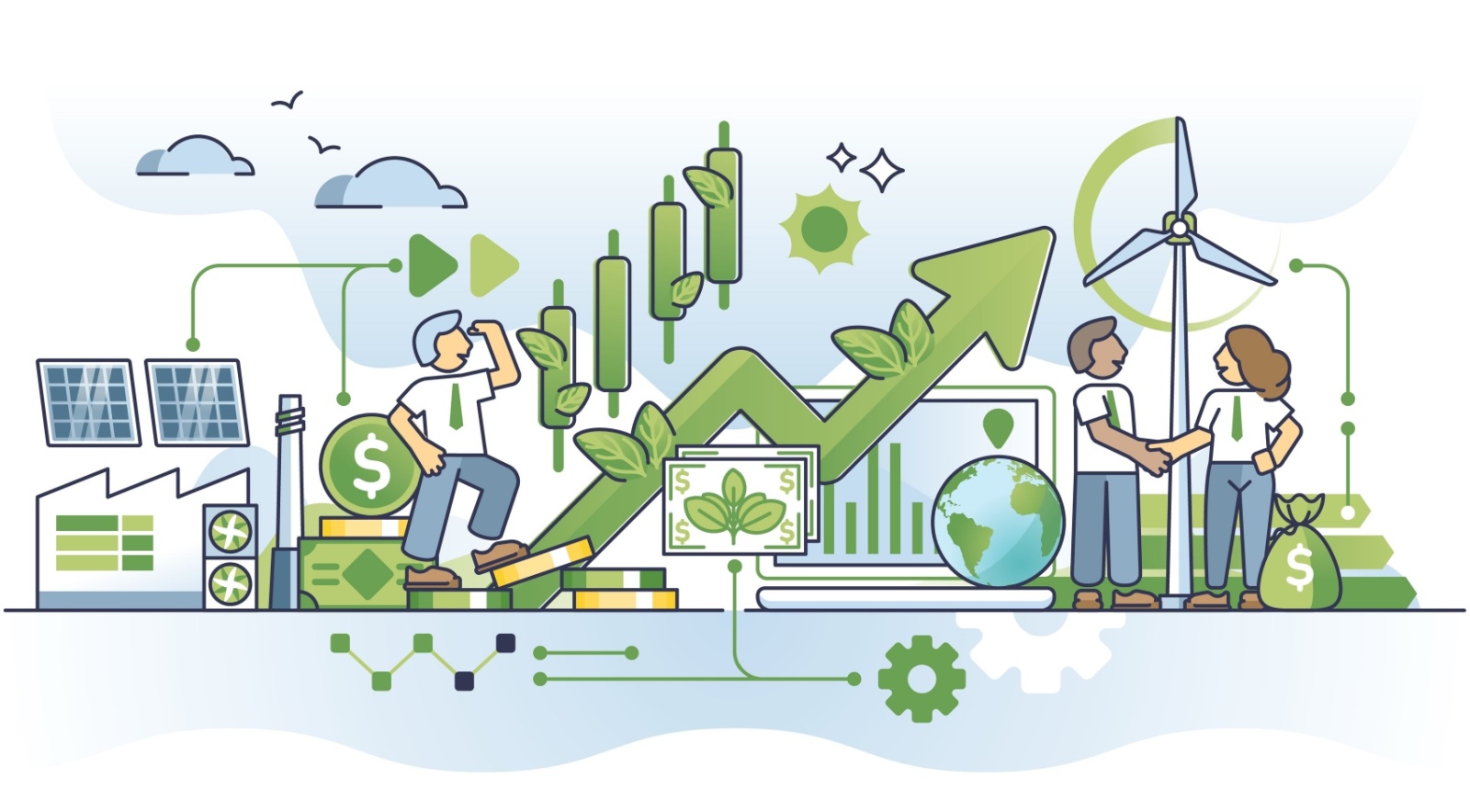
The term energy wealth often comes up in discussions about the benefits of distributed energy. But its meaning can be nebulous.

In his new book, Abundance, Ezra Klein offers one perspective on energy wealth. He quotes the late demographer Hans Rosling, who famously grouped humanity based on having enough energy to use a washing machine. Rosling pointed out that in 2010:

  • 2 billion had little or no access to electricity and relied on fire
  • 3 billion had access to enough energy for electric lights
  • 1 billion people had enough energy wealth for washing machines
  • 1 billion had the energy to fly in planes – and they used about half of the world’s energy

Today, inequality persists, although it’s less stark. Now, under one billion of the world’s eight billion people lack access to electricity, according to the International Energy Agency. So we’re heading in the right direction.

Klein ponders what it will take to create a world that is actually “energetically wealthy.” He argues that developing abundant renewable energy is the key to greater energy equality without harming health.

No argument there.

But both Rosling and Klein’s definitions of energy wealth fall short in an era of distributed energy. They focus on access to energy, treating it as a commodity someone else owns and the rest of us buy.

Subscribe to the free Energy Changemakers Newsletter

And to be fair, that’s how things generally work now — although change is afoot because the rise of distributed energy allows households, businesses and communities to own and control their energy supply.

On the US grid, ownership of distributed energy enhances energy wealth in various ways, among them by offering a way to avoid escalations in utility costs and to sell energy services to the grid. Ownership also provides more control over the kind of energy used and, therefore, its influence on health, which has financial ramifications. 

It’s important to note that distributed energy is changing energy wealth for both the poorest and the wealthiest nations. California, one of the world’s top economies, has the most rooftop solar in the United States. Meanwhile, campaigns are underway to electrify poor Asian and African regions with the installation of minigrids and microgrids.

Klein says energy is the nucleus of wealth.  That may be true, but we’re not fully parsing what could expand that nucleus. We’re not accurately measuring and fully defining energy wealth.

Simply being a renter of energy – having access to it – has been how we’ve measured energy wealth in the past. However, technological changes – the rise of nanogrids, microgrids, solar plus storage, electric vehicles, community solar, and other forms of distributed energy – dictate a change in the measurement. Energy wealth is no longer only about how many people can access energy; it’s also about how many people own it.

Subscribe to our free weekly newsletter about all things distributed energy.
Subscribe

Top Podcast

energy changemakers podcast

A Complete List of Energy Changemakers Podcasts

The Energy Changemakers Podcast, with host Elisa Wood, is available every other Wednesday on Apple and Spotify.

Latest Resources

2026 Market Survey: Microgrid and Distributed Energy Projects Grow in Complexity

Reports of distributed energy’s demise have been greatly exaggerated, according to a 2025 survey of distributed energy and microgrid industry professionals. When the One Big Beautiful Bill Act became law in July 2025, many industry experts feared solar-heavy distributed energy development would dry up with the loss of federal incentives. While survey respondents (67%) say […]
Ameresco energy allies

Energy Allies: Communities and Utilities Building Resilience Together

This white paper examines how successful partnerships among communities, utilities, and energy service providers can improve the grid and achieve mutually beneficial outcomes.
microgrids as building blocks

Microgrids as a Building Block for Future Grids

This white paper is the fourth in a series of seven white papers in support of the DOE Microgrid R&D Program and presents a broad vision for future grids where microgrids serve as a building block along with technologies that would need to be developed, use case scenarios and the research targets. The DOE Microgrid […]
utility bills

Utility Bills are Rising: PowerLines

New polling by PowerLines, a nonpartisan consumer education nonprofit, reveals the toll of rising utility bills on American energy consumers.

RSS Microgrids Now

  • Microgrids Are a Goldmine for Grid Operators — They Just Don’t Know It
  • What Makes a Community Microgrid Actually Work? Start by Listening, Not Engineering
  • Is Distributed Wind Poised for a Second Act in Virtual Power Plants and Microgrids?
  • Data Centers Are Changing Microgrid Companies. Scale Microgrid’s New Acquisition Offers the Latest Example
  • New Mexico Senate Approves Microgrid Renewable Portfolio Standard Bill
The Voice of Distributed Energy
Learn about grid edge opportunities
Subscribe
Energy Changemakers
Energy Changemakers
600 Twentyninth Place Ct #1055
Charlottesville, VA 22901
elisa@energychangemakers.com
© Wood Energy Writers LLC. All rights reserved.
  • Terms of Service
  • Privacy Policy