
Using energy efficiency as the first fuel is a common-sense, cost-cutting principle. Before installing a new power system, find and remove energy waste to avoid oversizing it and spending more money than necessary.
This principle applies to anything that uses energy – from households to electric grid operators to entire economies.
The Department of Government Efficiency (DOGE), a non-government agency of the Trump administration designed to cut government costs, does not appear to be considering this principle.
Case in point: DOGE wants to end telecommuting for government workers.
How to quickly cut 2.7 billion barrels of oil use
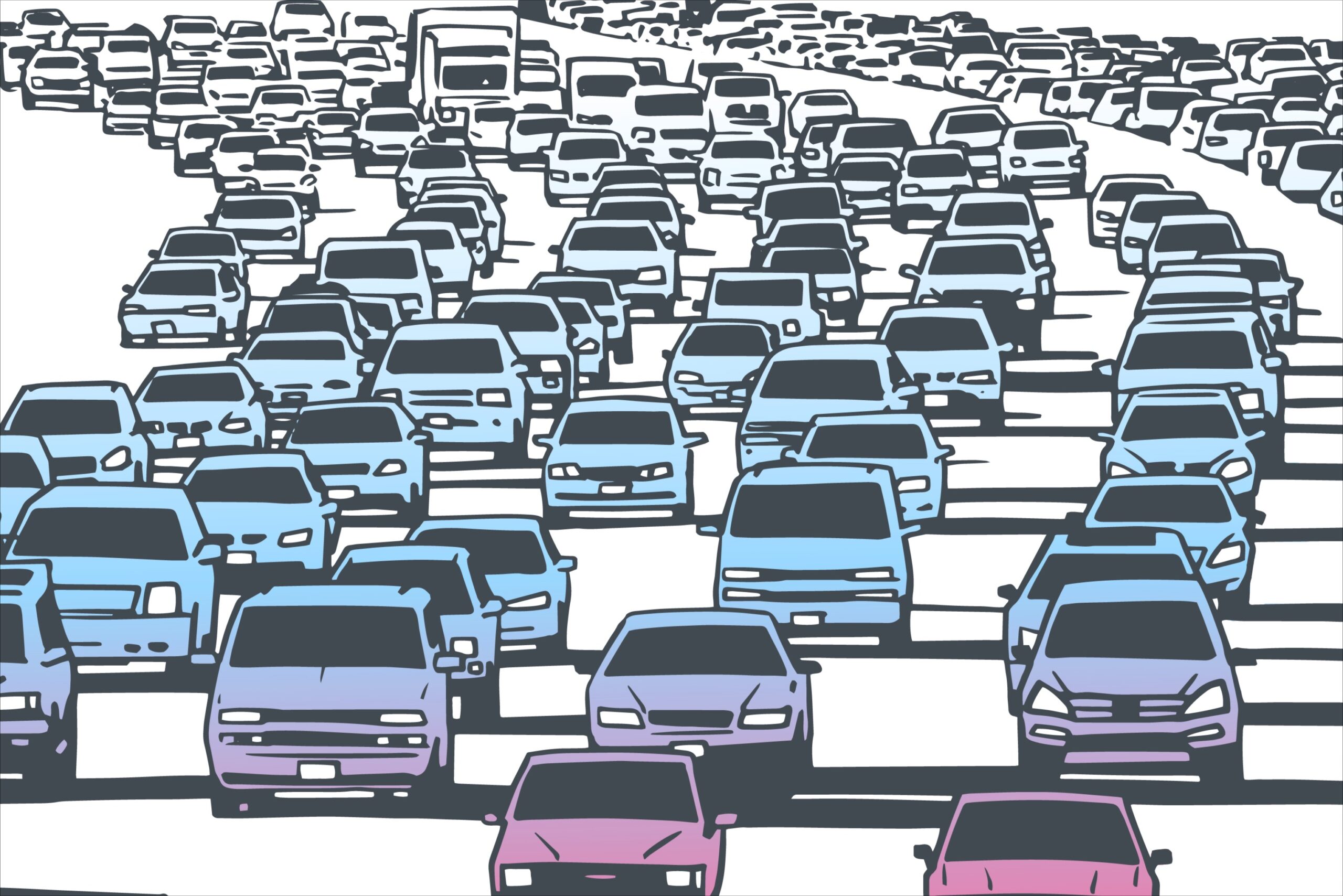
When remote work accelerated during the COVID epidemic, the world discovered two things. First, we could have done this earlier. Technology existed for many workers to work from home before COVID; it just hadn’t caught on yet. Second, reducing work commutes lowers energy use and emissions — a lot.
If everybody worldwide worked from home just one day a week, global carbon emissions would decline by 24 million tons annually. That’s about what Greater London emits, according to the International Energy Agency.
Subscribe to our free newsletter about all things distributed energy
The IEA estimates that about one-third of workers can do their jobs remotely in advanced economies and recommends that they telecommute at least three days a week as part of a 10-point strategy. This would cut oil demand by 2.7 million barrels within four months. One day of working from home avoids around 170 kb/d of oil use, while three days avoids around 500 kb/d.
Remote workers have a lower carbon footprint
Similarly, a study by Cornell University and Microsoft found that the carbon footprint of remote workers is 54% lower than onsite workers. The study considered the energy use of information and communications technology, commuting, noncommute travel, and office and residential energy use. The researchers noted that nationally, the carbon benefit of remote work may be higher than 54% because the city they studied was large and had reasonable mass transit.
There are caveats. How many days you work from home matters, as does how far you live from work and whether you use mass transit. The DC metro area ranks fourth nationally for home values, so it’s safe to say that many government workers do not live close to where they work.
Unfortunately, streamlining costs through energy efficiency doesn’t seem high on DOGE’s list. At least it’s not come up in press reports. What’s most frustrating is that Elon Musk, who has described carbon emissions as an “unpriced externality,” is a key figure spearheading DOGE. He knows better.
More on energy efficiency
The good news is that there are highly effective advocates for energy efficiency in Washington, D.C., and I recently had the opportunity to speak with one of them, Paula Glover, the President of the Alliance to Save Energy.
We didn’t discuss DOGE, but we did look at another area where efficiency may not be fully appreciated: wholesale capacity markets. Negawatts (energy efficiency) do the same work as megawatts in supplying the grid but struggle to get equal compensation. Here’s our 25-minute conversation, “Equal Pay for Equal Work: Treating Energy Efficiency Fairly in Wholesale Capacity Markets.“
Be sure to listen to the end, when Glover explains the energy-efficient principles (and AI) she used to cook Thanksgiving dinner. (We recorded this just before the US Thanksgiving holiday.)
Energy Changemakers provides content and community for those working on the grid edge. Learn more.