
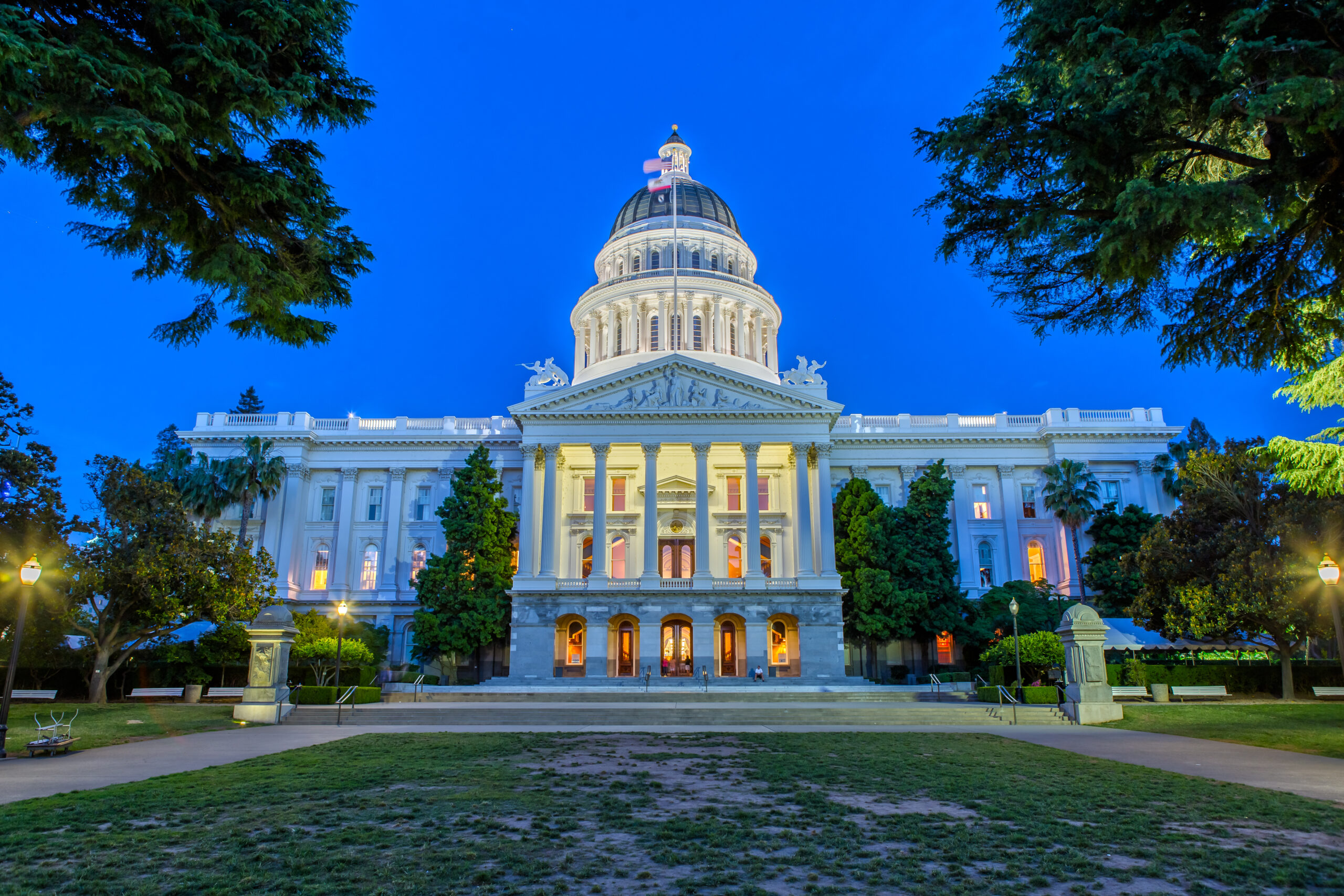
Gov. Gavin Newsom signed a bill Sept. 30 to make it easier for Californians to install plug-in solar, opening the nascent US market to the largest state yet.
Also called balcony solar, the small systems can be plugged directly into a household electrical outlet, instead of being wired into a home’s electrical system like conventional rooftop solar.
To receive new posts and support my work, consider becoming a free or paid subscriber.
These are small systems — limited to 1200 watts in California — but they have some large implications. Already popular in parts of Europe, they are viewed as a kind of training-wheels device, giving households, including renters, a low-cost, easy way to test solar energy to reduce electricity bills.
“Balcony solar is a technology that does not require calling an electrician to book an installation. The simplicity of the technology will encourage people to explore other clean energy technologies,” said Mark James, interim director of the Institute for Energy and the Environment at Vermont Law and Graduate School. “Simplicity breeds confidence in other technologies and a desire to directly participate in the energy transition.”
Sen. Scott Wiener of San Francisco, author of the bill (SB 868), estimates a California household could save as much as $450 per year, depending on the equipment and the home.
Like plug-in solar legislation passed in other states, the bill helps households bypass requirements typical of larger, more complex distributed energy systems. It exempts plug-in solar from utility interconnection requirements, prior approvals and device fees. Utilities may require a simple online registration.
The bill also sets safety requirements. Plug-in solar systems must comply with state and national electrical codes, receive certification from Underwriters Laboratories or another nationally recognized testing laboratory and include protection designed to prevent them from continuing to send electricity into the grid during an outage.
One important piece of SB 868 received less attention during much of the debate: California isn’t making its streamlined treatment of plug-in solar permanent — at least not yet.
The exemption from utility interconnection requirements expires January 1, 2030. After that, lawmakers would have to extend or revise the provision for it to continue.
The technology is already widespread in Germany, and several US states have created legal pathways for it. Utah led the way in March 2025. Since then, Maine, Virginia, Colorado, Maryland, Connecticut, New Hampshire, Vermont and New Jersey have enacted plug-in solar laws.
California’s entry into the market marks a particularly large win for the plug-in solar industry because of the state’s size and its green-leaning consumer base. California is the top state for rooftop solar installations as of the end of 2025, according to the Solar Energy Industries Association.
The law takes effect Jan. 1, 2027. How soon after that they’re available for sale depends on when manufacturers complete certification, according to the Solar Rights Alliance, which worked for the bill’s passage.