DERs Disrupt the Simple Story of AI’s Energy Surge
As AI drives unprecedented load growth, DERs, efficiency, and flexible demand are complicating the supply–demand equation

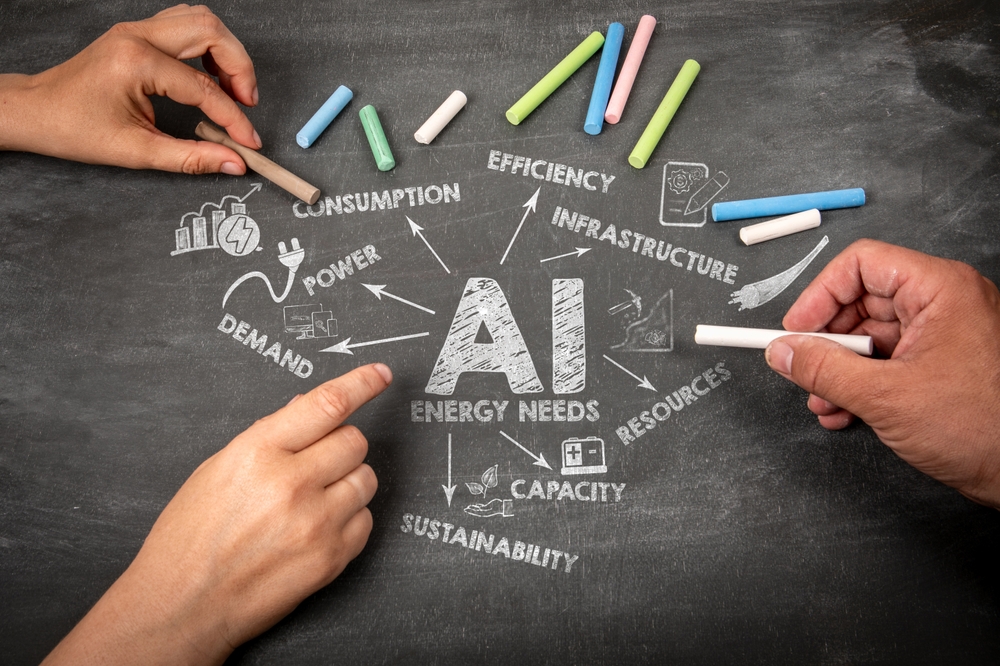
As AI drives unprecedented load growth, DERs, efficiency, and flexible demand are complicating the supply–demand equation

50 states. 50 different policies for distributed energy (DERs). So, how do you scale the technologies? Pew has a playbook.
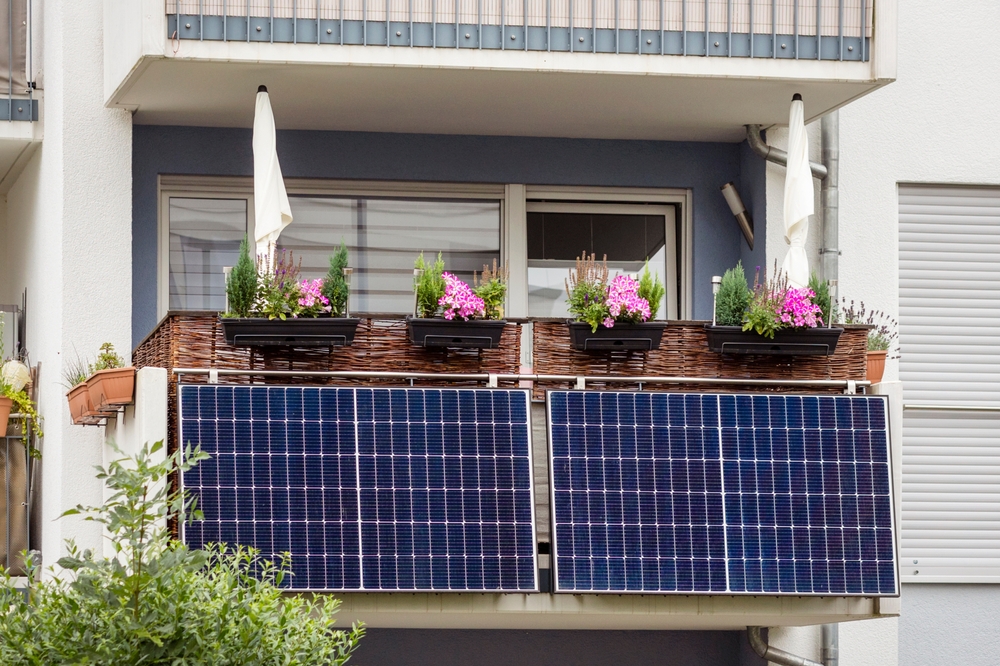
Balcony solar isn’t really about small panels on apartment railings. It’s about the moment a consumer starts to feel agency over their energy.

Speed to power is creating a new market for distributed energy. Three developments from the past week illustrate how varied — and unsettled — the new market is.

First proposed by Senators Brian Feldman and Bill Ferguson, the DER auctions would be held annually beginning Jan. 1, 2027.

Electrons are not political — everyone needs them. And maybe it’s our industry’s own fault. We didn’t do enough to say, “Look, these projects are economic.” It’s a no-brainer in certain states to have solar on your roof.
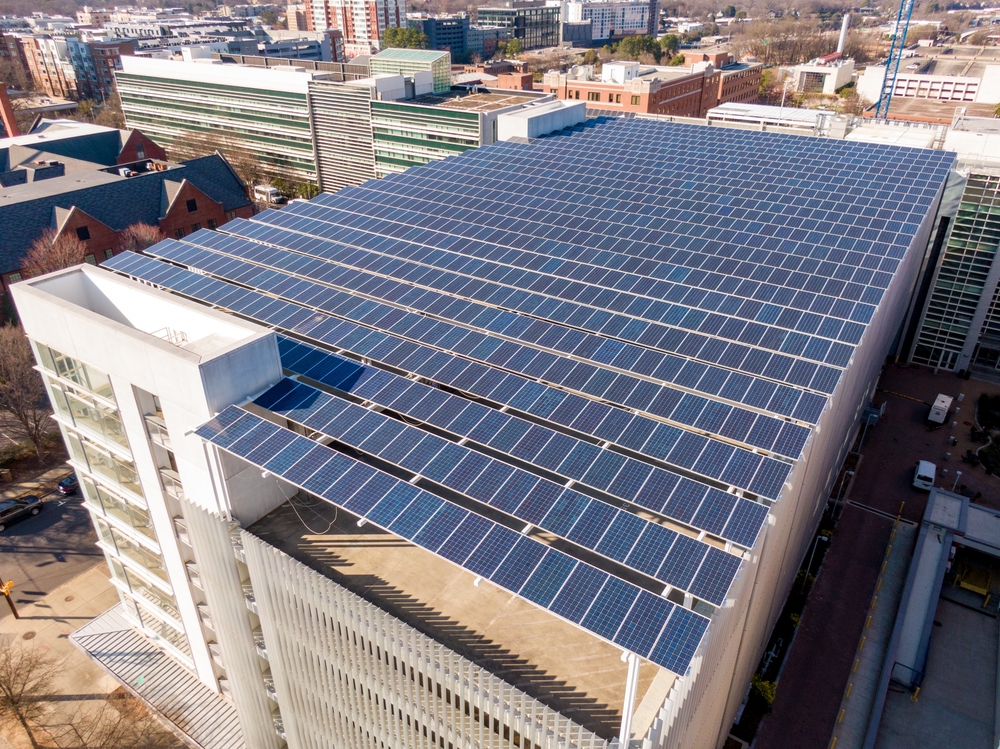
JLL says that grid capacity has become the primary limiting factor for commercial real estate — not capital, land or labor.

Distributed energy companies are shapeshifting as changing rules and growing markets create new opportunities.
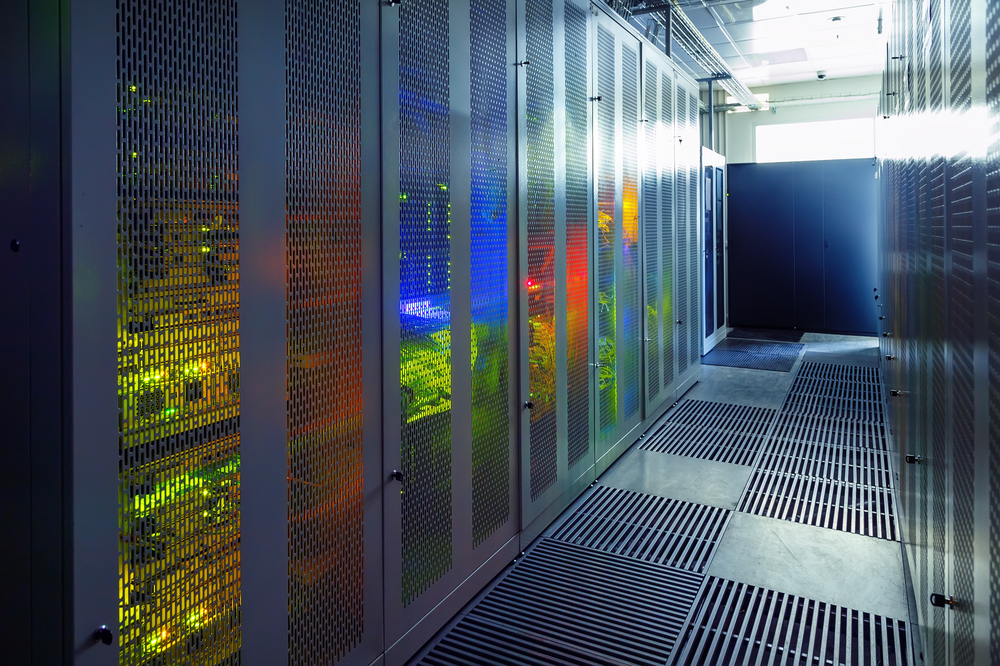
Energy planning has emerged as a high-stakes discipline for data centers. Mistakes aren’t just expensive; they can delay or even derail data center projects.

The energy abundance agenda carries appeal. But achieving it on the complex electric grid will take more than just building more stuff.