8 Things to Know About Plug-in Solar as it Gains Traction in the US
What is plug-in solar? Can households really install it themselves? Is it safe? Is it cost-effective and will it take off in the US as it has in Europe?

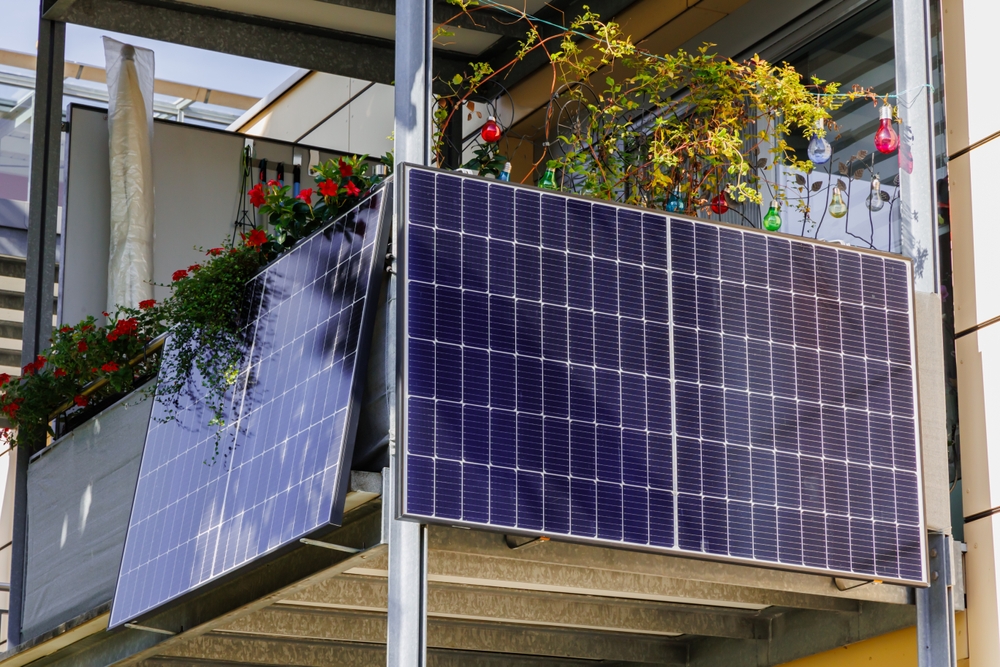
What is plug-in solar? Can households really install it themselves? Is it safe? Is it cost-effective and will it take off in the US as it has in Europe?

The US celebrated a big milestone, and so did Energy Changemakers. Here’s what we learned from 50 interviews.

Electric demand is set to grow significantly over the next decade, but the topline numbers only tell part of the story, according to ICF’s new report.

Robert Cross of Outfit argues that distributed energy resources have become an “irresistible force” colliding with the “immovable object” of the traditional utility business model

Michael Lee, founder of Distributed Grid, says the cost-of-service model is increasingly out of step with today’s grid realities. He argues for a distributed grid where utilities are paid for outcomes such as affordability, reliability and speed to power, rather than for expanding rate base.

Local solar, batteries, EVs and virtual power plants aren’t sideshows. They’re becoming core grid resources.

The proposed NextEra–Dominion merger could create a distribution powerhouse as data centers, microgrids and customer-sited energy begin reshaping the electric system.

Three grid experts say the US needs a new blueprint to fix its power system, one that creates energy abundance from the bottom up.
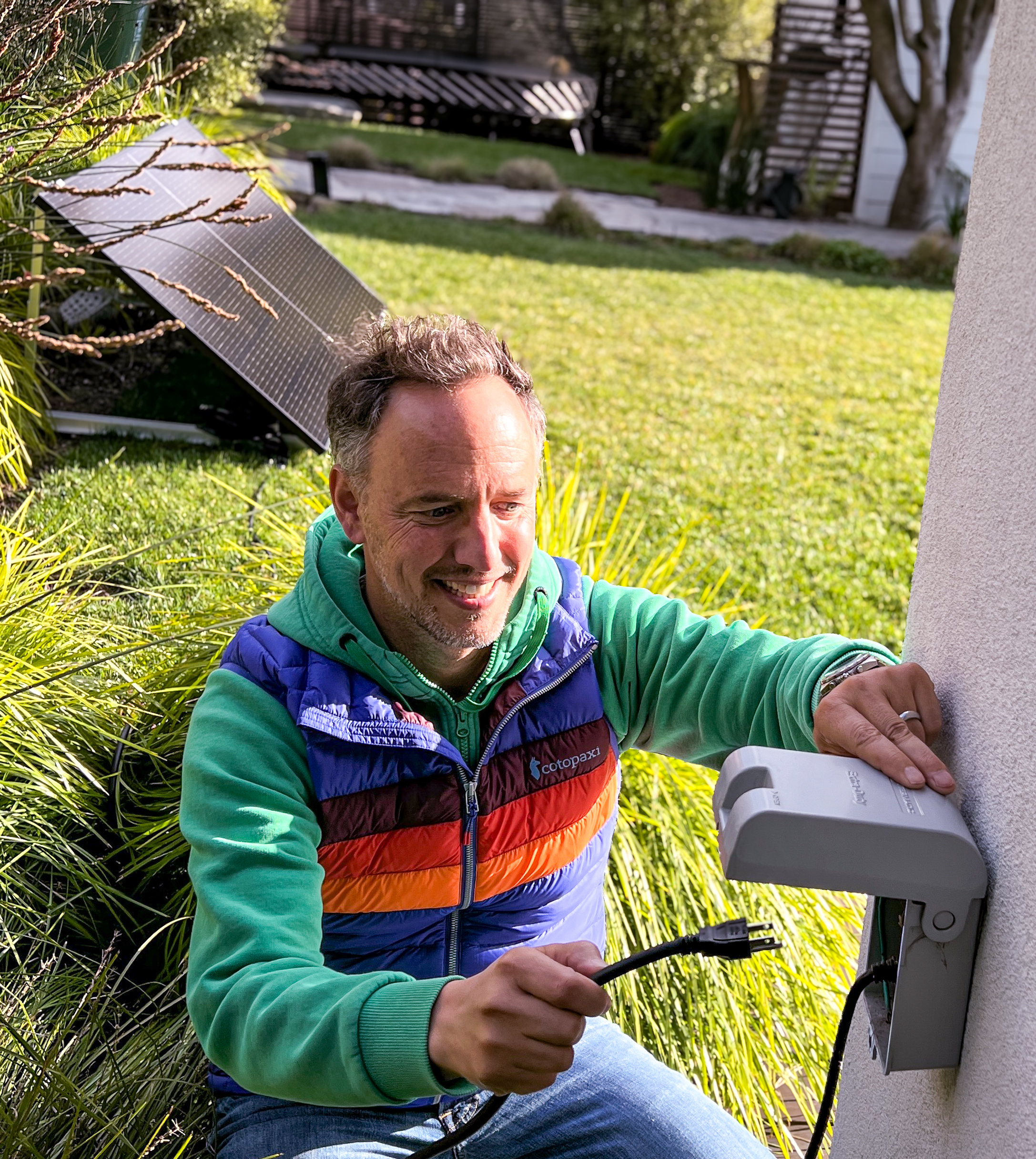
Plug-in balcony solar is emerging as a new and disruptive distributed energy technology, embraced by yet another state.

Five decades ago, a worldwide oil crisis put renewable energy on the radar of governments and consumers. Here we are again, but this time, renewables have a lot more muscle.