The Utility Monopoly Survived Solar. Can It Survive the Hyperscalers?
Once it was two solar guys in a truck disrupting the utility monopoly; now it’s the world’s most valuable companies.

Once it was two solar guys in a truck disrupting the utility monopoly; now it’s the world’s most valuable companies.

Comptroller Mark Levine makes economic argument for use of rooftops and parking lots for bottom up energy planning

The conversation shifted this year from what distributed energy can do to what it can save, as utility rates escalate.

New law lets data centers offset energy use by funding energy resources installed on homes and businesses

California community solar bill AB 1813 would go a long way toward bridging California’s energy affordability gap.
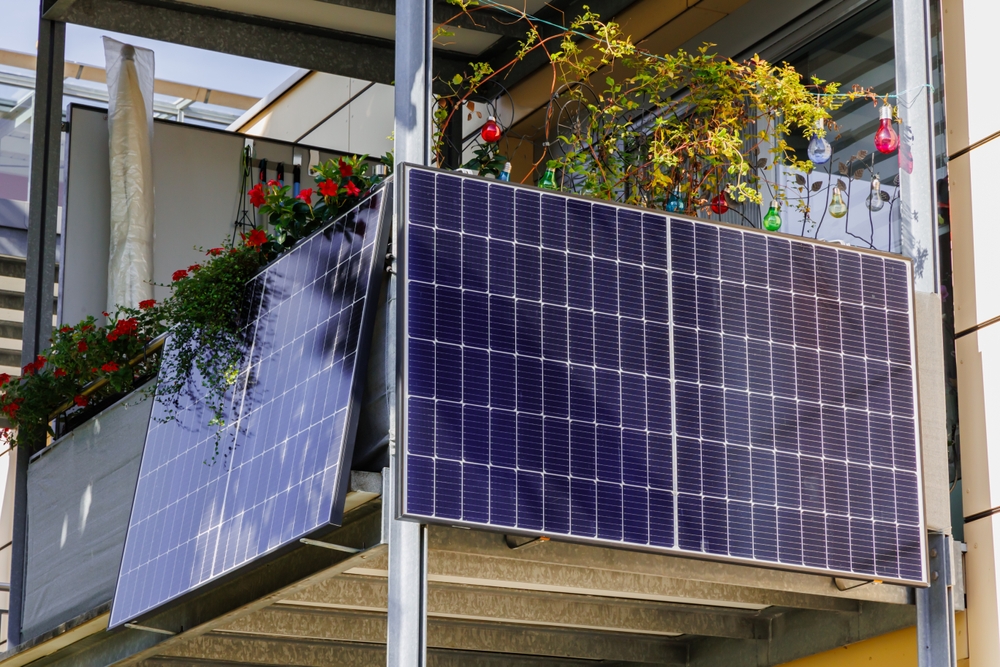
What is plug-in solar? Can households really install it themselves? Is it safe? Is it cost-effective and will it take off in the US as it has in Europe?

The US celebrated a big milestone, and so did Energy Changemakers. Here’s what we learned from 50 interviews.

Electric demand is set to grow significantly over the next decade, but the topline numbers only tell part of the story, according to ICF’s new report.

Robert Cross of Outfit argues that distributed energy resources have become an “irresistible force” colliding with the “immovable object” of the traditional utility business model
Michael Lee, founder of Distributed Grid, says the cost-of-service model is increasingly out of step with today’s grid realities. He argues for a distributed grid where utilities are paid for outcomes such as affordability, reliability and speed to power, rather than for expanding rate base.