Morgan Stanley Puts a Price on Speed to Power — and Distributed Energy Wins Big
The findings challenge a longstanding assumption in the energy industry: that electricity delivered by the grid is generally the least expensive option.


The findings challenge a longstanding assumption in the energy industry: that electricity delivered by the grid is generally the least expensive option.

Virginia’s new energy plan puts distributed energy and grid flexibility at the center of its strategy for meeting soaring electricity demand.

A new law will make it easier for Californians to install plug-in solar, opening the nascent US market to California’s large green economy.

At its most basic, AI is not human; it’s electrons. Pull the plug, and it’s gone. Obviously, no one is pulling any plugs. But the power industry can – and is – starting to pull some levers.
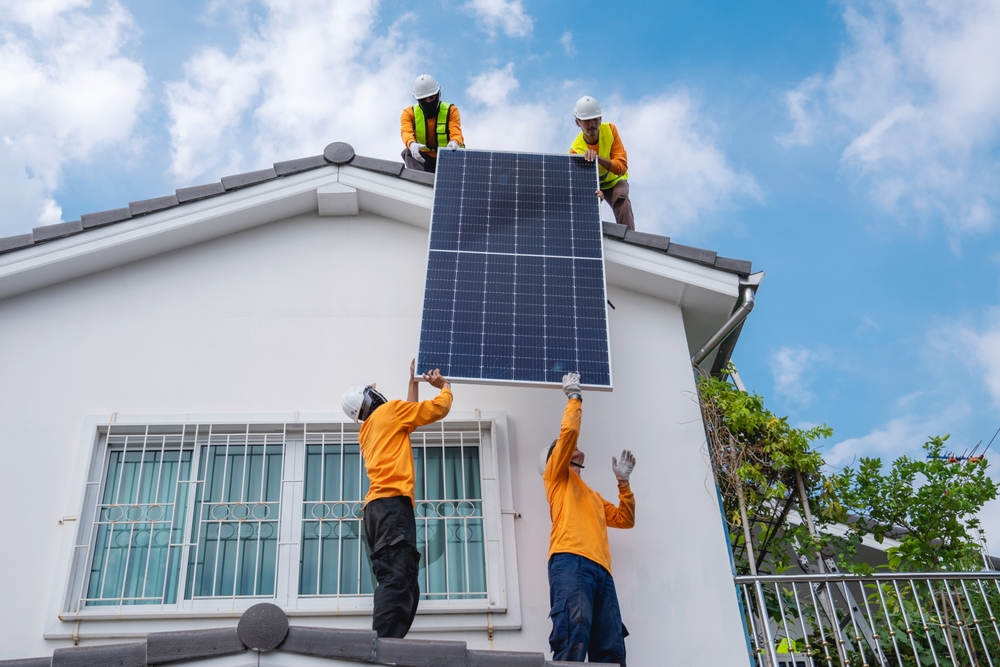
Resilience Energy is betting that a new kind of long-term energy contract can turn home solar and batteries into capacity for data centers — without asking households to buy the equipment themselves.
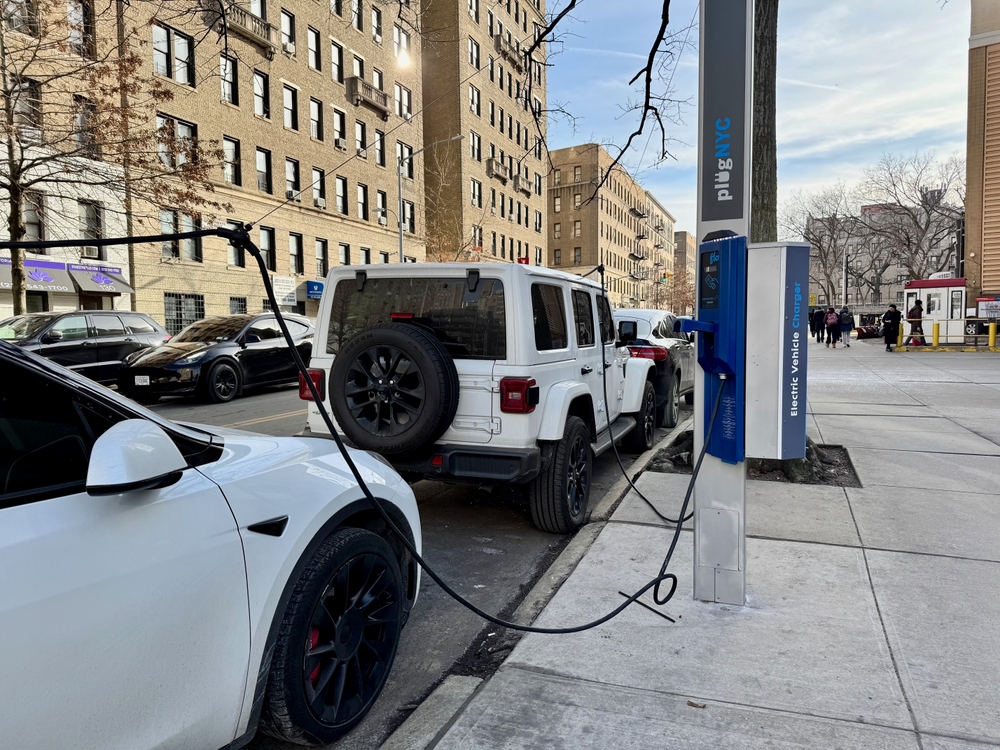
The Mamdani administration increasingly looks like it’s favoring a distributed energy agenda. The most recent move: 700 curbside EV chargers to encourage rideshare and cab drivers to electrify.

Forget the idea that a virtual power plant is just thousands of batteries and thermostats. New Jersey players are pushing for something much broader.

From a $2.6 billion microgrid move for data centers to home solar services, it’s been an active few weeks for onsite energy investments.
The speed-to-power movement is driving decision-making in the data center industry as it searches for near-term solutions to its power supply needs. The inability of many utilities and wholesale market control areas to bring new capacity on-line in a timely manner has prompted many data centers to go behind-the-meter (BTM) and create microgrids and other […]
Headlines are everywhere about the electric grid straining under a surge in demand from data centers and other large loads. But the more urgent story is: How can the grid evolve to meet this new demand at speed?