Calling Distributed Energy “Rinky-Dink” Gets the Grid Wrong
Local solar, batteries, EVs and virtual power plants aren’t sideshows. They’re becoming core grid resources.


Local solar, batteries, EVs and virtual power plants aren’t sideshows. They’re becoming core grid resources.
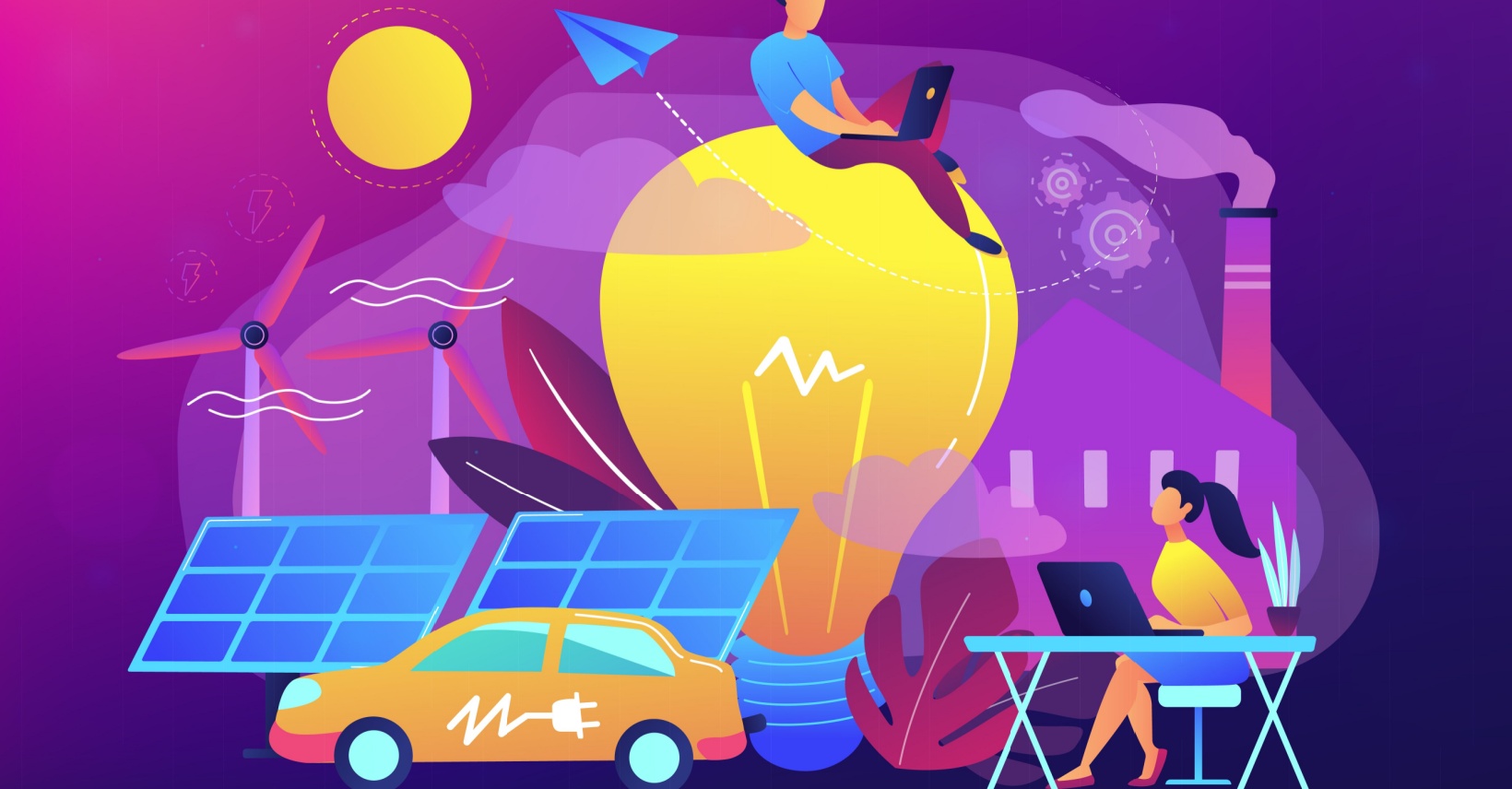
The proposed NextEra–Dominion merger could create a distribution powerhouse as data centers, microgrids and customer-sited energy begin reshaping the electric system.

Three grid experts say the US needs a new blueprint to fix its power system, one that creates energy abundance from the bottom up.

New investments involving VoltaGrid and Ameresco underscore rising demand for behind-the-meter power and renewable natural gas.
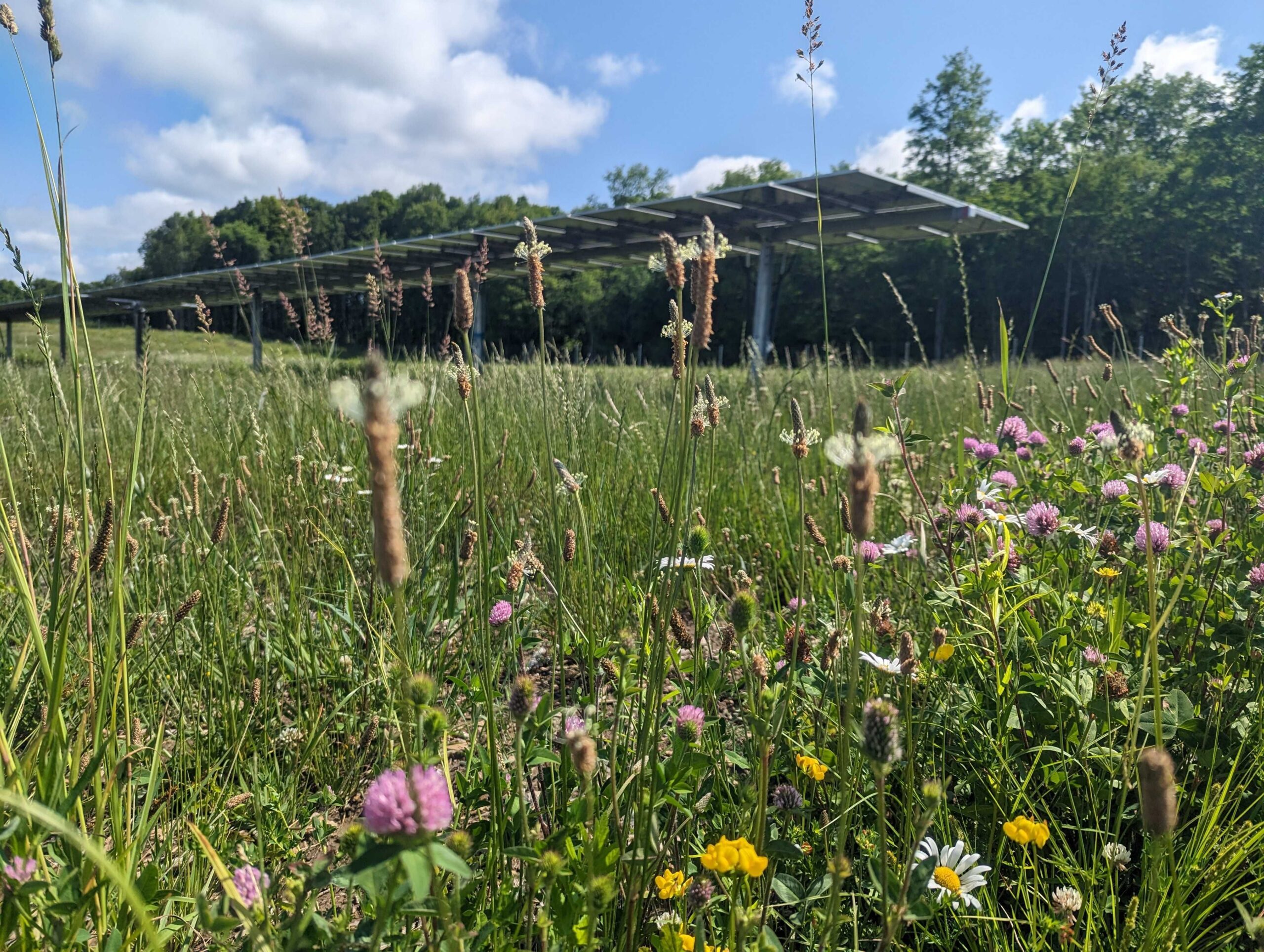
What do toll roads and honeybees have to do with solar energy? More than you might think, as I found out in my conversation with Andy Karetsky, CEO of Skyview Ventures.
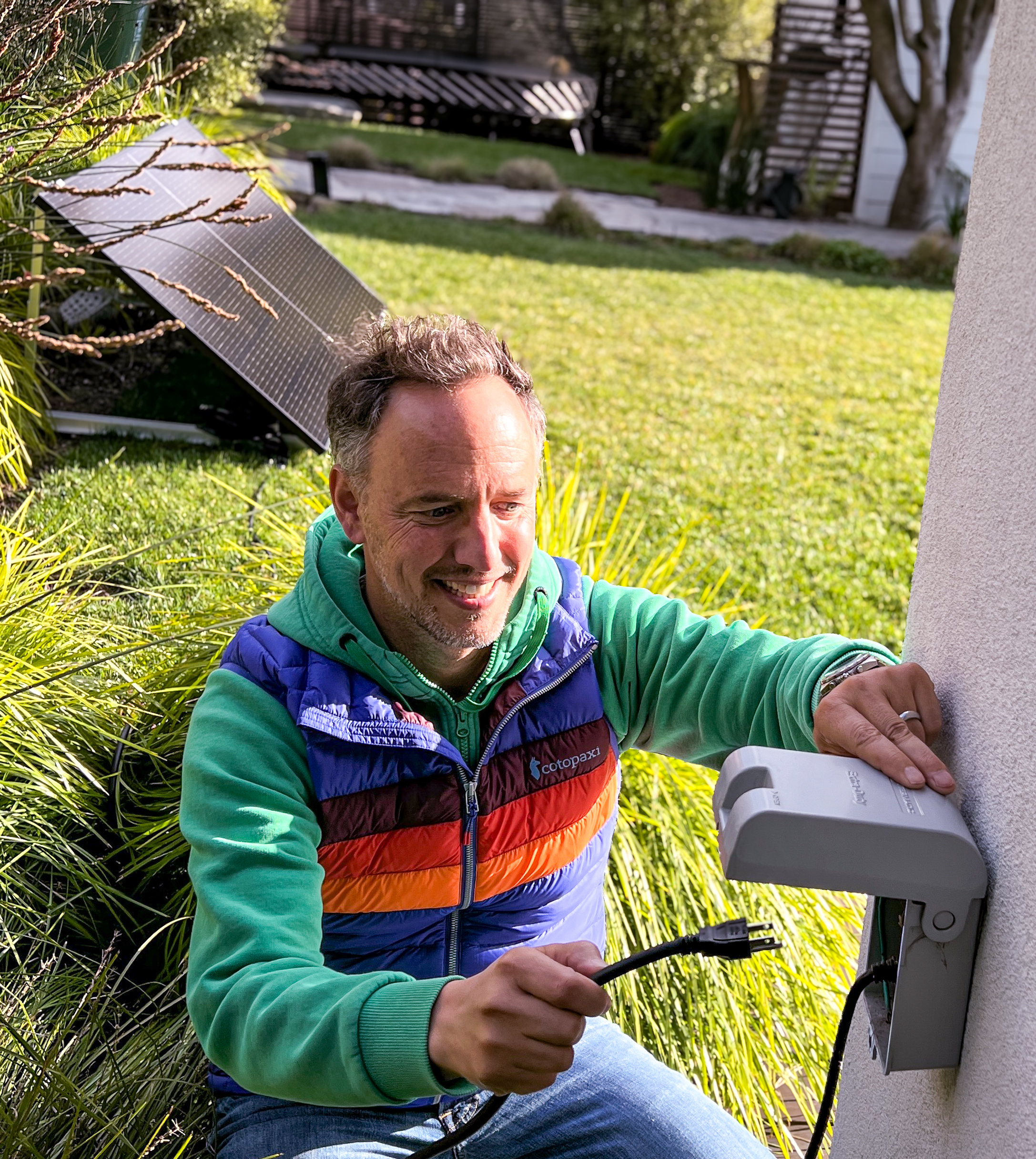
Plug-in balcony solar is emerging as a new and disruptive distributed energy technology, embraced by yet another state.

Five decades ago, a worldwide oil crisis put renewable energy on the radar of governments and consumers. Here we are again, but this time, renewables have a lot more muscle.
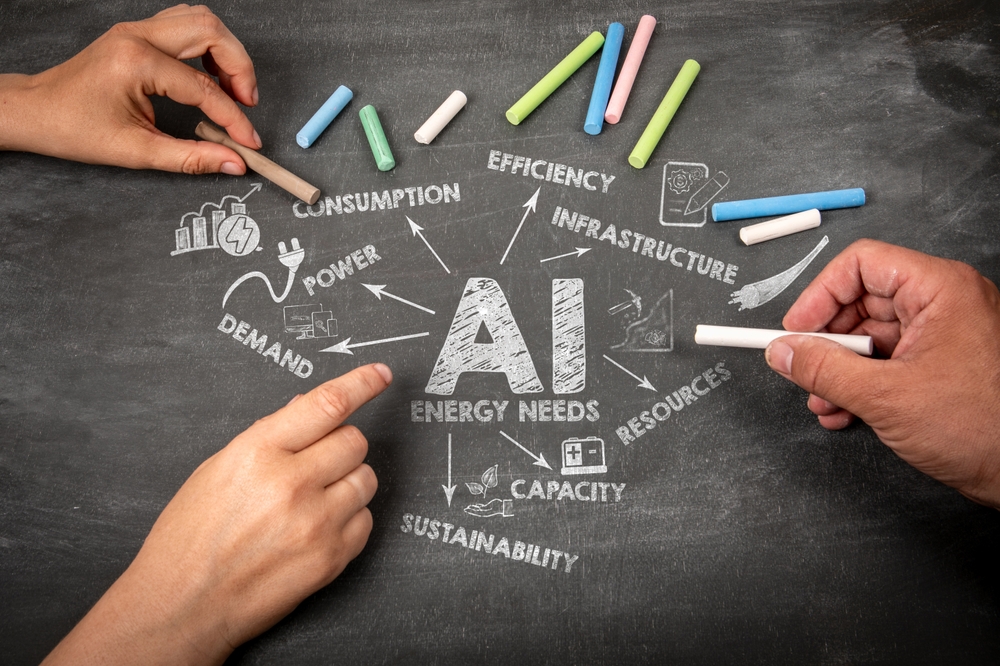
As AI drives unprecedented load growth, DERs, efficiency, and flexible demand are complicating the supply–demand equation

50 states. 50 different policies for distributed energy (DERs). So, how do you scale the technologies? Pew has a playbook.
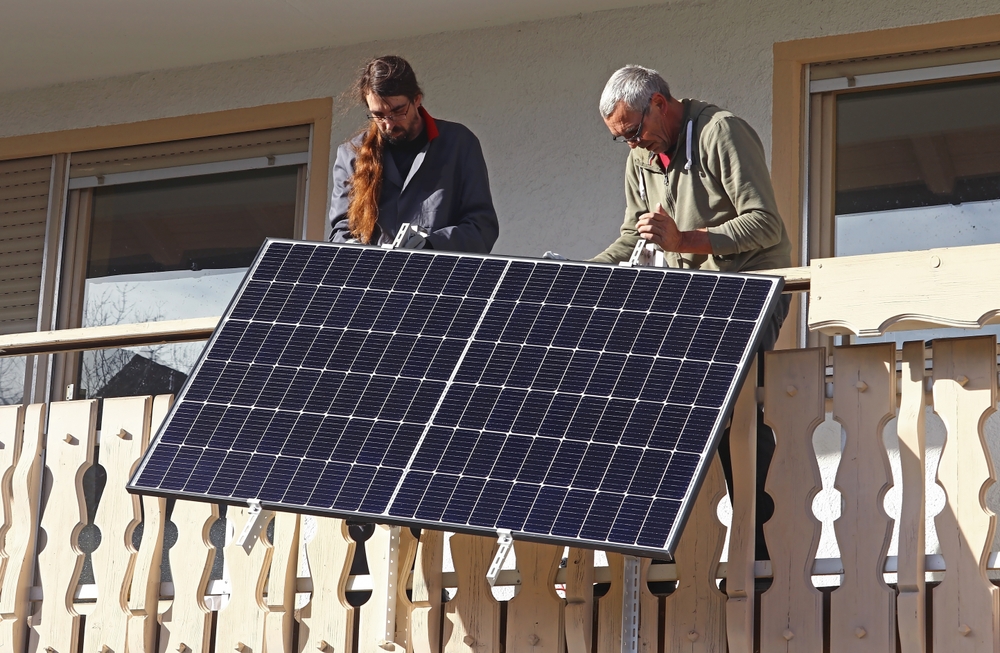
Virginia follows Utah and Maine to become the third state to approve balcony solar.